San Antonio could settle Alamo lawsuit with Indigenous group
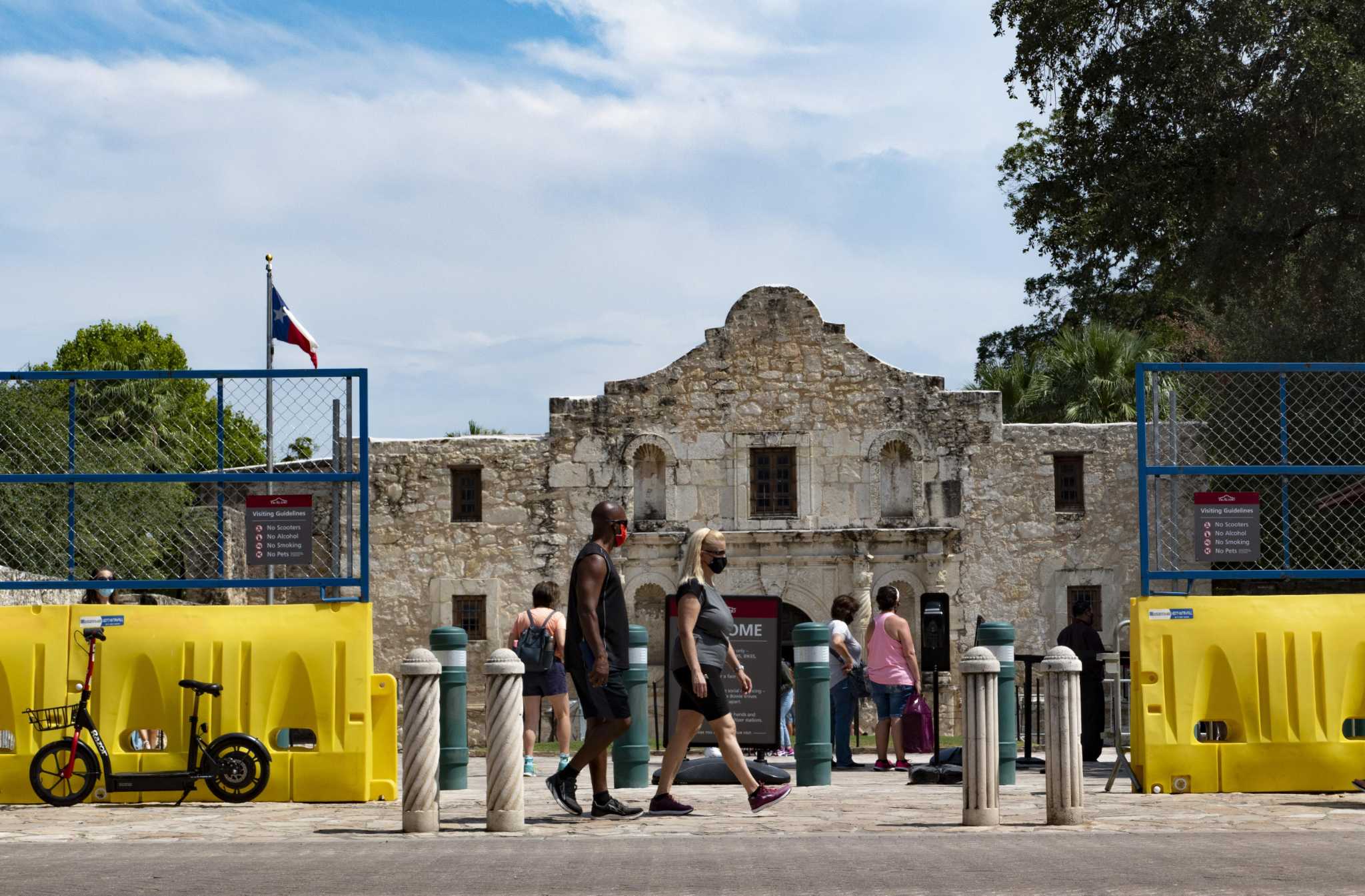
Two lawsuits filed by an Indigenous group over human remains buried at the Alamo may soon be resolved.
The San Antonio City Council is considering a settlement Thursday in two lawsuits brought by the Tap Pilam Coahuiltecan Nation, which wants access to the Alamo Church for religious ceremonies and a say in the treatment of human remains found on the historical site.
The terms of this settlement are unlikely to be released or discussed except through a joint statement agreed to by the parties. A Land Office spokesman said the agency had no comment.
Tap Pilam took the case to court after the tribe was banned in 2019 from holding its annual memorial ceremony to honor the tribe’s ancestors buried inside the Alamo Church and seek forgiveness for having disturbed their remains.
On ExpressNews.com: Settlement talks fail in Alamo burial dispute
The federal lawsuit was dismissed in 2020 by Chief U.S. District Judge Orlando Garcia. He ruled that Tap Pilam was seeking benefits not generally available to the public, but Tap Pilam appealed his decision. A Travis County district judge dismissed a similar lawsuit in May 2021, but it was also appealed.
In a May 23 joint status report to the federal appeals court, the attorneys said the negotiations “involve government entities and the process of obtaining final settlement approval continues to be lengthy.” The lawyers promised an update to the court by June 22.
Defendants in the lawsuits include the city, the nonprofit Alamo Trust, Land Commissioner George P. Bush and former Alamo Trust CEO Douglass W. McDonald.
Alamo Village Story in Texas Magazine (4/10/1998): The real thing in San Antonio retains a stately elegance.
e. joseph deering, houston staff/chronicleParish records document more than 1,300 burials at Mission San Antonio de Valero, which became a Spanish military outpost known as El Álamo. But the number of people buried there belonging to native bands known collectively as the Coahuiltecans is disputed.
Tap Pilam estimated that 80% of burials were Coahuiltecan, but the Alamo Trust submitted data to the Texas Historical Commission that put the figure at no more than 47%.
In 2020, the historical commission declared the church cemetery verified and authorized the trust to exhume bone fragments and other human remains found at four locations in the church.
The Alamo included Native American representatives on an archeology advisory committee that guided a human remains processing protocol for the site. Tap Pilam, which is not a federally recognized tribe, was not included in the panel.
On ExpressNews.com: Alamo opens exhibits as battle’s anniversary approaches
This is a carousel. Use the Next and Previous buttons to navigate
In February, the board approved a settlement in a similar lawsuit with the Alamo Defenders Descendants Association. Under this agreement, the city, the Land Office and the Alamo Trust have agreed not to reinterstal any human remains found at the Alamo until September 1, 2023. They have also agreed not to seek future permits from the state to relocate the 1930s cenotaph. – a controversial proposal that the historical commission ruled against in 2020.
As part of the settlement, the Land Office and the trust also agreed to extend visiting hours at the Alamo on March 6 – the anniversary of the 1836 battle – and to negotiate “potential contributions” from the association. descendants in the museum planning process.
All parties have agreed that any comments, releases or talks beyond a joint statement would be a violation of the settlement.
The agreement did not support or prevent the use of DNA testing – a scientific analysis which confidence has discouraged but which descendants groups have said could be useful. The historical commission has authorized the use of DNA testing if deemed useful by Alamo officials and their consultants.