December Vegetable Garden
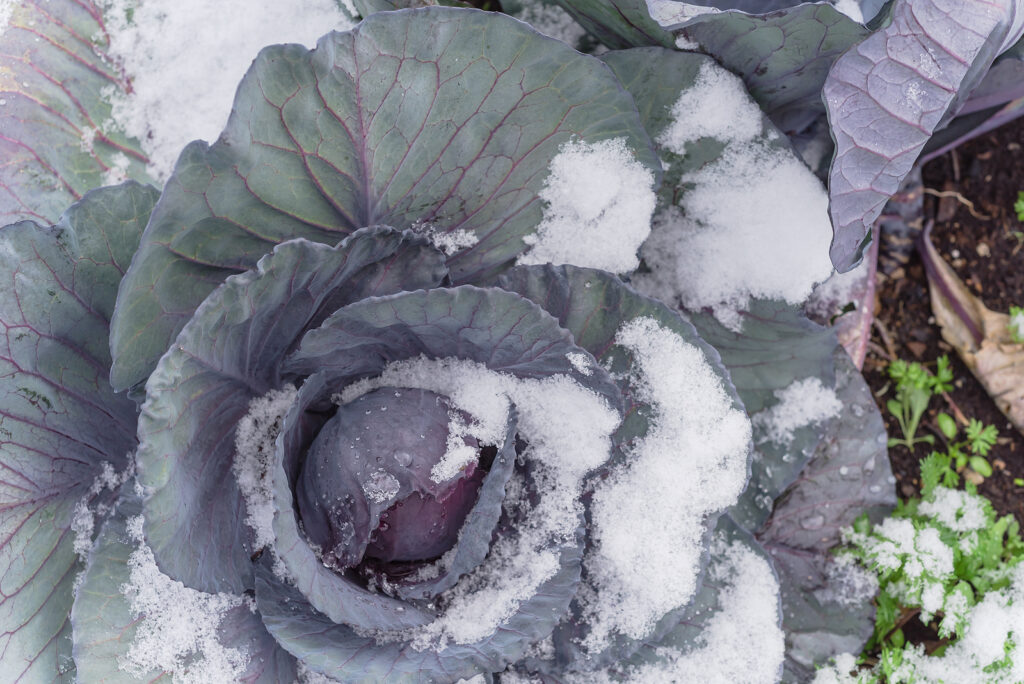
December brings early winter, but not much of a slowdown in the all-year vegetable garden. Cool-season crops planted early in autumn will come to harvest in the next several weeks. (If crops have slowed down, don’t fret. Once daylight drops to less than 10 hours, cool-weather vegetables slip into a no-growth mode. Growth will resume when the light each day increases in January and February.)
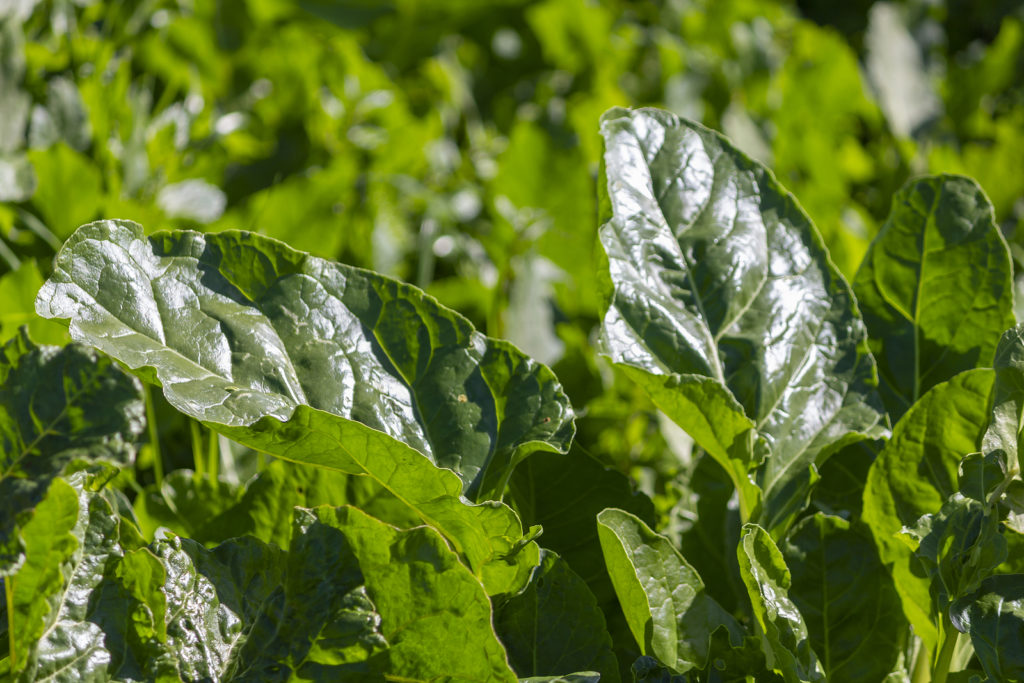
If temperatures are in the high 20s or low 30sF, cabbage, chard, and head lettuce and carrots, turnips, and Brussels sprouts can be harvested this month–even from under a blanket of snow. Scallions and fall leeks can be harvested also; the leeks will be about the size of scallions. Onions can stay in the garden under a protective layer of mulch.
If snow has fallen on your winter vegetable garden, do not despair. Snow is akin to an insulating blanket and the cool-season vegetables beneath can still be harvested.
A killing frost or freeze will do the most damage to your vegetable garden in winter–not snow. Protect crops from freezing temperatures with mulch, plastic tunnels, or cold frames. Loose straw or fallen leaves will protect plants from freezing temperatures also.
December harvest tips
December harvest in the Northern Hemisphere
Here is a list of some of the vegetables and fruits that will come to harvest in December: Vegetables: beets (beetroot), broccoli, Brussels sprouts, carrot, cauliflower, celeriac, chicories, chilies, Chinese cabbage, chard, collards, corn, dandelions, fennel, frisse, kale, kohlrabi, lettuce, mustards, stinging nettles, parsnip, peas, peas, purslane, radicchio, radish, rapini, rutabaga (Swede), spinach, butternut squash, sweet potato, turnips. Fruit: late apples, avocadoes, banana, Buddha’s hand citrons, cherimoyas, feijoa, grapefruit, guava, kiwifruit, kumquat, limes, early mandarins, olives, blood oranges, Cara Cara oranges, passionfruit, persimmons, pomelos.
Also at the farmers’ market this month: Meats: Dungeness crab, beef, lamb. Holiday items: wreaths, Christmas trees, pinecones, mistletoe, dried fruits, smoked salmon, nuts, cheeses, oils, pickled vegetables, and fruits.
Harder to find this month: pastured eggs, apples, pomegranates, pears, and avocadoes.
Going out of season: strawberries, raspberries, tomatoes, peppers, fresh goat cheese, chicken.
December planting tips
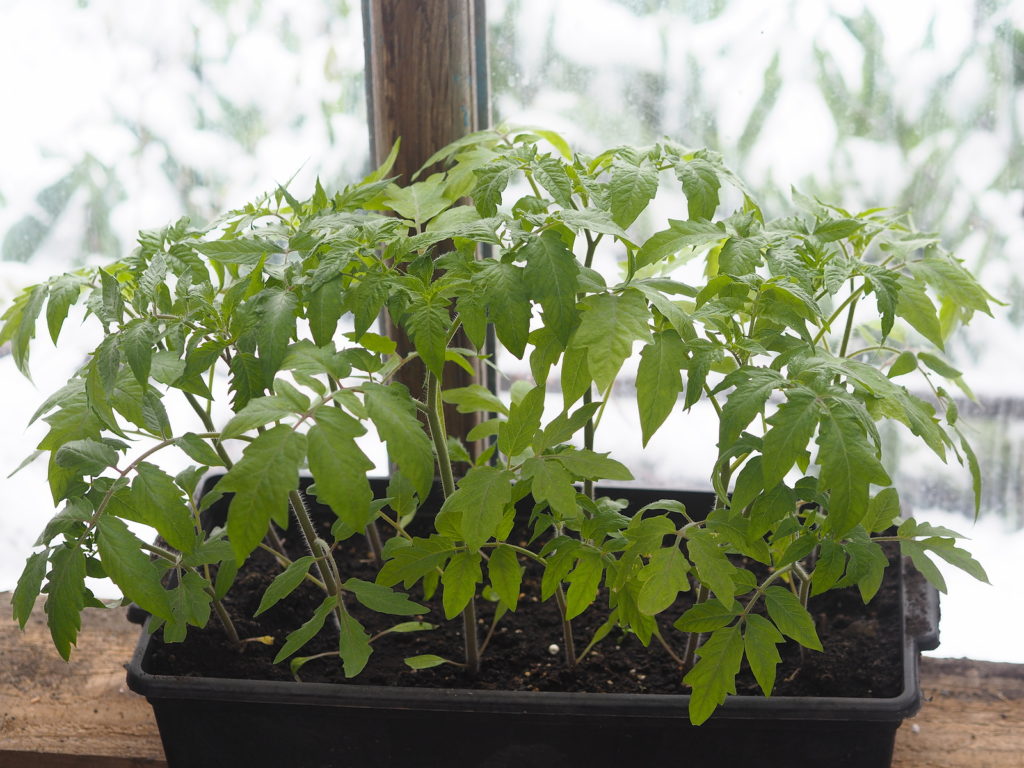
Be patient, crops grow slowly during short winter days. (There is no growth when the daylight is less than 10 hours. Don’t expect new growth until mid-January.)
If you are planting this month, here are some suggestions by region:
Cold northern regions—Zones 3-6: Vegetables: asparagus crowns, cress, lettuce, onion, peas, spinach, strawberry runners. Herbs: garlic.
Temperate Regions—Zones 7-9: Vegetables: artichoke suckers, asparagus crowns, broad beans, cress, lettuce, mustard, onion, peas, shallots, spinach, strawberry runners. Herbs: garlic.
Subtropical and Tropical Regions—Zones 10-12: Vegetables: asparagus crowns, beans, beet (beetroot), broad beans, cabbage, carrots, celery, Chinese cabbage, cress, endive, fennel, lettuce, mustard, parsnip, peas, potatoes, radish, salsify, shallots, Swiss chard (silverbeet), spinach, spring onion, strawberry runners, tomato, zucchini. Herbs: angelica, basil, borage, caraway, chamomile, celeriac, chervil, chives, coriander, dill, garlic, hyssop, lemon balm, marjoram, oregano, parsley, salad burnet, thyme.
December garden maintenance
General garden clean-up. Clean up parts of the garden that are not being used. Place compost and leaf mulch on the vacant part of the garden. Check windbreaks, mulches, and other winter protection before and after storms. Install burlap screens and add mulch if necessary. After storms remove broken branches from orchard trees and check the weight of snow still on branches. Water trees and the garden in dry winter regions. Make sure tools have been cleansed, sharpened, and stored in a dry place. Coat the metal part of tools with light oil to prevent rust. Wooden handles can be painted a bright color to make them easier to find. Store tomato, bean, and other poles undercover. Store hoses coiled and shut off garden faucets. Check your outdoor storage areas for leaks.
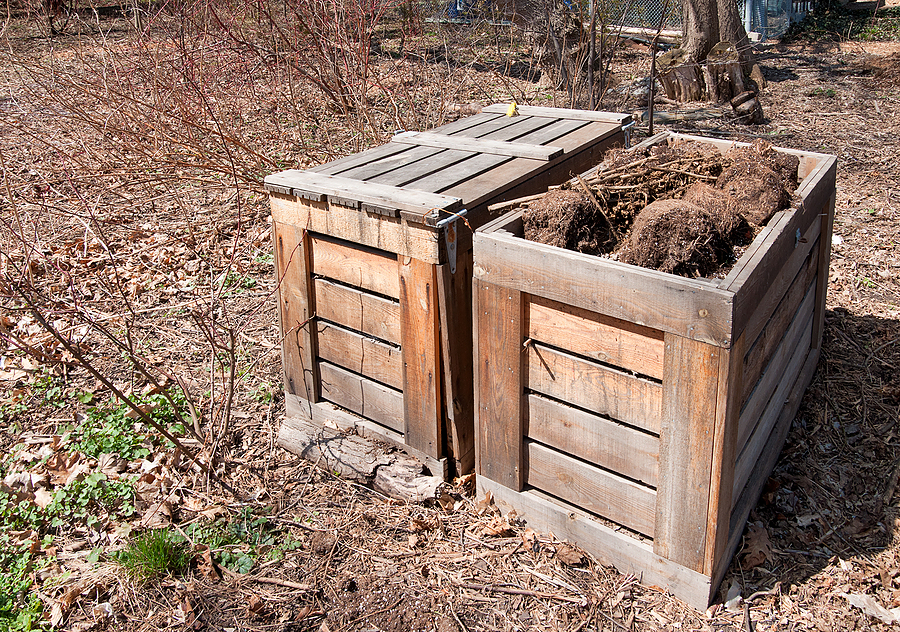
Compost. Turn the compost pile with a fork and water to speed winter disintegration. You can build a compost bin with wire or boards as small as 3 or 4 feet (.9-1.2m) across and 4 or 5 feet (1.2-1.5m) high. Place and pack leaves in the bin in layers 1 foot (30cm) thick; add a few shovelfuls of aged cow or horse manure to each layer. Separate layers with 1 inch of garden soil. Keep the pile moist not wet and turn it every 2 or 3 months.
Soil preparation. Turn under the last of the vegetable remains. Test soil. If acid, add a layer of lime. If lacking in nutrients add ground phosphate rock, granite dust, or greensand to the garden by broadcasting these rock powders over the soil. The newly broken ground can be left rough through the winter; rain and frost will work the rock powders into the soil. Now is a good time to incorporate compost and green manure into the soil. It will blend in with the soil over winter. Rotary till or spade the material into the garden soil and let sit on the rough surface until spring. Add well-rotted manure to the area or trenches where you will plant next year’s runner beans.
Winter cold frame tune-up
Greenhouse and Cold Frame. Clean, disinfect, and ready the greenhouse for winter. Check insulation to make sure the greenhouse can maintain the minimum temperature. Clean the glass to allow for the greatest winter light. Clear gutters before the first storms. Ventilate the greenhouse on mild and warm days; lack of air movement can encourage diseases. Gradually give plants less water so that they will better tolerate low temperatures; disease will also be less of a problem. Check plants regularly to pick off any dead or dying leaves before they start to rot. Toward the end of the month in less severe winter regions, you can start seeds of many spring plants that can go into the cold frame or into the garden in February and March. Witloof chicory and rhubarb can be started this month for harvest in spring. Onion seed, cabbage, cauliflower, broccoli, leaf lettuce, mustard, radish, and spinach can be sown in the cold frame now.
Check the seal between the lid and the top of your cold frame to make sure it is tight. The frame edge can be lined with weather stripping or a strip of used carpet underpad to ensure cold air does not enter the frame.
Where temperatures are very cold, a piece of plastic sheeting can be stretched over single-layer lids made of glass, plastic, or Plexiglas. Double layers of glass–or an added layer of plastic sheeting–will provide the greatest insulation.
The height of a cold frame should be just taller than the height of the tallest crop that you are growing in the frame. Always make a frame slightly taller than the crop you are growing at maturity.
A stackable cold frame will serve this purpose. Low frames are all that is needed for spring crops. But for winter growing, stackable frame units 6 to 8 inches (15-20cm) tall all around can be used to raise the frame. A cabbage plant may require four 8-inch (20cm) units. Place the sloping unit–sloping toward the South–on top. You can secure stacking frame units with pegs that fit into the unit below. Plastic sheeting, a tarp, or an old carpet can be stretched around the inside of the frame to insulate and keep wind and cold from coming through the gaps.
Container gardens
Move tender container plants indoors or into cold frames for winter. Half-hardy container plants can go into the cold frame; sink clay pots with plants into the ground. Shallow containers should be sheltered away from frost and freezing weather. Set containers up on low supports so that they drain freely. Check these plants regularly. Remove spent plants from containers and compost them. Clean unused containers and store them for winter. In mild regions, move container plants away from eves into sheltered positions.
Orchard and fruit
Strawberries. Select strawberry beds now and work in plenty of compost. You can start a new bed with the strongest runners from old strawberry plants. A strawberry bed should be good for three years; even so, start a new bed each year. Mulch existing beds with chopped leaves.
Planting fruit trees. Plant container-grown fruit trees where the ground has not frozen. Plant bare-root fruit trees in mild-winter regions.
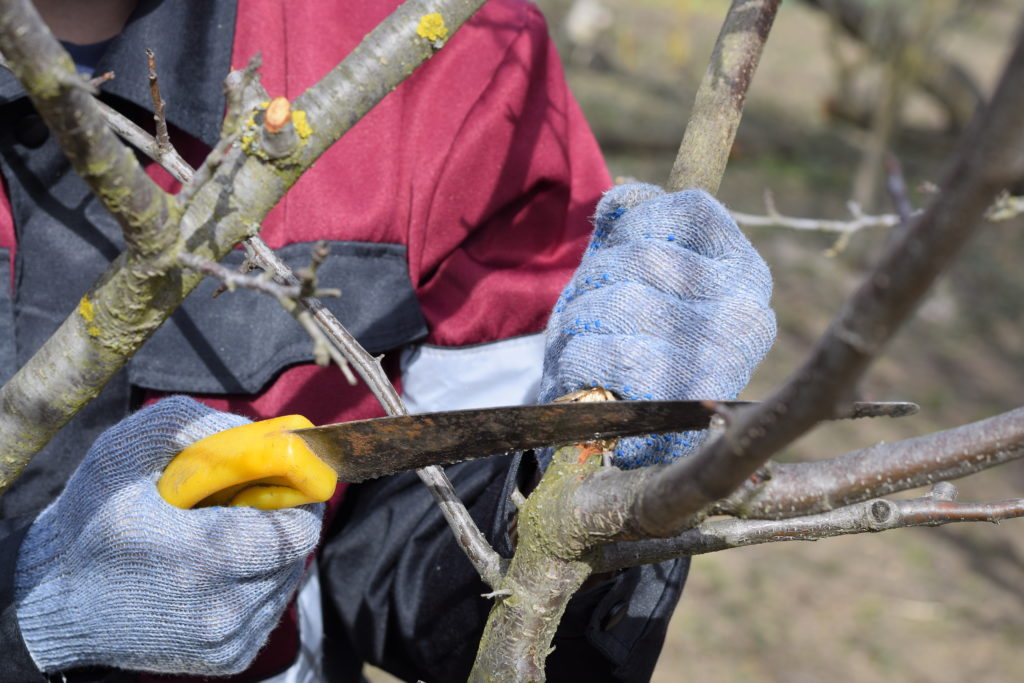
Pruning fruit trees. Prune established apple and pear trees. Do not winter-prune cherries, damsons, peaches, or plums.
Put old fruit trees on a three-year pruning schedule: cut back one-third of the tree’s branches each year for three years to revitalize the tree. Allow one-third of the new vertical shoots to remain and your harvest will be renewed next summer.
Prune out broken, dead, or diseased branches and crossing branches. Make sure tree stakes are held firmly in place. Apply dormant oil to control over-wintering pests and disease.
Prune back newly planted apple and other fruit trees immediately after planting reducing side shoots to about one-half. Insert tree stakes before planting and make sure newly planted trees are secure. Water new trees deeply and add a fresh layer of mulch after planting.
Prune berries. Prune black currants, gooseberries, raspberries, and brambles after a hard frost. Pruning can continue until late winter. Cut blackberry and hybrid berry canes that fruited this year back to soil level; tie newly formed canes to supports. Prune established black currant bushes by removing old shoot from the center. Shorten the lead shoots of gooseberries and red currants by half and side shoots to 2 inches. Remove all weak shoots. After pruning, apply a mulch of well-rotted manure or compost.
Prune grapes. Prune grapes as soon as they are dormant; remove one-third to one-half of the old wood and thin out undergrowth. Grapevines can be severely cut back to 3-bud spurs along the main branch.
Fruit maintenance. Clean up dropped fruit and leaves. Compost leaves and fruit are not affected by pests or diseases. Place mouse guards, tree wraps, hardware cloth, or chicken wire around tree trunks to protect them from rodents, rabbits, and deer this winter. Paint the lower trunks of young trees to prevent winter sunscald. Before the soil freezes, mulch trees in a ring 8-12 inches (20-30cm) from the trunk.
Remove nests of tent caterpillars and cocoons attached to branches with a stiff brush or broom. Save the egg masses of the praying mantis. Learn to distinguish between the cocoons of both. On a mild day, apply a dormant oil spray to smother scale and aphids.
Southern Hemisphere vegetable garden in December
December brings the arrival of summer to the Southern Hemisphere vegetable garden. Warm-season crops can still be planted this month. Spring-planted crops will come to harvest this month.
If you are preparing for your summer Christmas holiday, make sure that the vegetable garden is well-mulched before you go. Mulch will keep the weeds down and conserve the moisture in the soil while you are away.
December is not too early to consider breaking out the shade cloth to protect the tender plants from the summer heat that should be upon us next month.
And December is the month to plan ahead for winter in the southern hemisphere. Winter crops such as beets, broccoli, Brussels sprouts, cabbage, cauliflower, celery, leeks, and cool-weather Chinese vegetables can be planted before this month is finished. By the time they are up to size, the summer weather will be on its way out.
Look for the first harvest of early tomatoes towards the end of this month. How about a garden-fresh tomato sandwich on Christmas Day! Pinch out the growing tips on cucumbers, pumpkins, and squash now before they get a firm grip on the rest of the garden. Also, begin to monitor fruit trees to make sure young limbs aren’t carrying too much weight.
Here is a planting schedule by region for the southern hemisphere in December:
Temperate regions December planting
Vegetables: beans, beets (beetroot), broccoli, Brussels sprouts, cabbage, cape gooseberry, capsicum (sweet pepper), carrots, cauliflower, celery, celeriac, chicory, chilies, cress, cucumber, eggplant, endive, leeks, lettuce, marrow (courgette), melons, mustard, spring onion, parsnip, peas, pumpkin, radish rhubarb crown, salsify, Swiss chard (silverbeet), squash, sweet corn, tomato, zucchini.
Herbs: basil, borage, caraway, celeriac, chamomile, chervil, chilies, chives, fennel, hyssop, lemon balm, oregano, parsley, salad burnet, thyme.
Tropical and subtropical northern regions planting
Vegetables: beans, cabbage, cape gooseberry, capsicum (sweet pepper), celery, Chinese cabbage, cress, cucumber, eggplant, fennel, lettuce, marrow, melons, mustard, okra, parsnip, peas, pumpkin, radish, rhubarb crowns, silverbeet (Swiss chard), spring onion, squash, strawberry runners, sweet corn, sweet potato, tomato, zucchini.
Cooler southern regions planting
Vegetables: beans, beet (beetroot), broccoli, Brussels sprouts, cabbage, carrots, cauliflower, celery, celeriac, cress, cucumber, endive, leeks, lettuce, marrow, okra, spring onion, parsnip, potato tubers, radish, rhubarb crowns, salsify, Swiss chard (silverbeet), spinach, squash, Swedes (rutabaga), sweet corn, zucchini. Herbs: borage, chamomile, chervil, chives, coriander, hyssop, lemon balm, oregano, parsley, salad burnet, thyme.
December harvest for the Southern Hemisphere
Here is a roundup of vegetables and fruits ready for harvest during December in the Southern Hemisphere:
Vegetables: Beans, beet (beetroot), early corn, cucumber, lettuce, Swiss chard (silverbeet), tomatoes, turnip, and zucchini.
Fruit: Apricots, cape gooseberries, cherries, gooseberries, grapefruit, lemons, loganberries, nectarines, oranges, passionfruit, peaches, plums, raspberries, and strawberries.
December is the “frosty month” in the northern hemisphere. Frosty, but not the coldest, true winter is yet to come.
Winter arrives this year on December 22, the winter solstice. On the first day of winter, the sun reaches the solstice when it will go no further south. This will be the shortest day of the year in the northern hemisphere (and the longest in the southern hemisphere).
With the shortest day of the year at the winter solstice, every day after will grow longer as the sun turns northward. The ancient Romans celebrated the sun’s return with a holiday called Saturnalia. The goddess of the hearth–and home, Vesta, had her special time in December.
Ancient Celtic priests of northern Europe, known as Druids, also had a special festival for their sun god in December. They celebrated with sprigs of mistletoe which were considered a charm.
The Norse and Anglo-Saxon tribes of ancient Europe burned a huge oak log once a year during December to honor Thor, the god of thunder. That was the Juul (pronounced yool) log, which we now call the Yule Log.
The ancient people of Scandinavia once worshipped trees. About 1,200 years ago, the Christian missionary Winfrid (now known as Boniface) stopped the sacrifice of a boy prince on an oak tree. Winfrid cut down the “blood oak”, and legend says a young fir tree appeared in its place. Winfrid told the gathered people that the new fir was the tree of life, representing Christ.
The exact date of Christ’s birth is not known, but in A.D. 354 the Christian Bishop Liberius of Rome decreed that the people of Rome would celebrate Christ’s birth on December 25, usurping the day they already observed as the Feast of Saturn, celebrating the birthday of the sun.
So in December, just days after the winter solstice, the celebration of The Light of the World is marked with mistletoe, Yule logs, and Christmas trees.
The post December Vegetable Garden appeared first on Harvest to Table.
This content was originally published here.