Starting Vegetable Seeds Indoors and Out

There are three ways to get your vegetable garden growing:

  • Sow seeds directly in the garden.
  • Start seeds indoors and transplant them to the garden when the weather warms.
  •  Transplant seedlings purchased at the garden center into the garden.

Starting seed indoors will give you the following:

  • Earlier harvests allow you to stretch the growing season.
  • Wider choice of cultivars than available for sale at garden centers.
  • Protection from early pests, soilborne diseases, and unpredictable weather
  • Savings: seeds are cheaper than store-bought transplants.
  • The satisfaction that you have grown your very own plants.
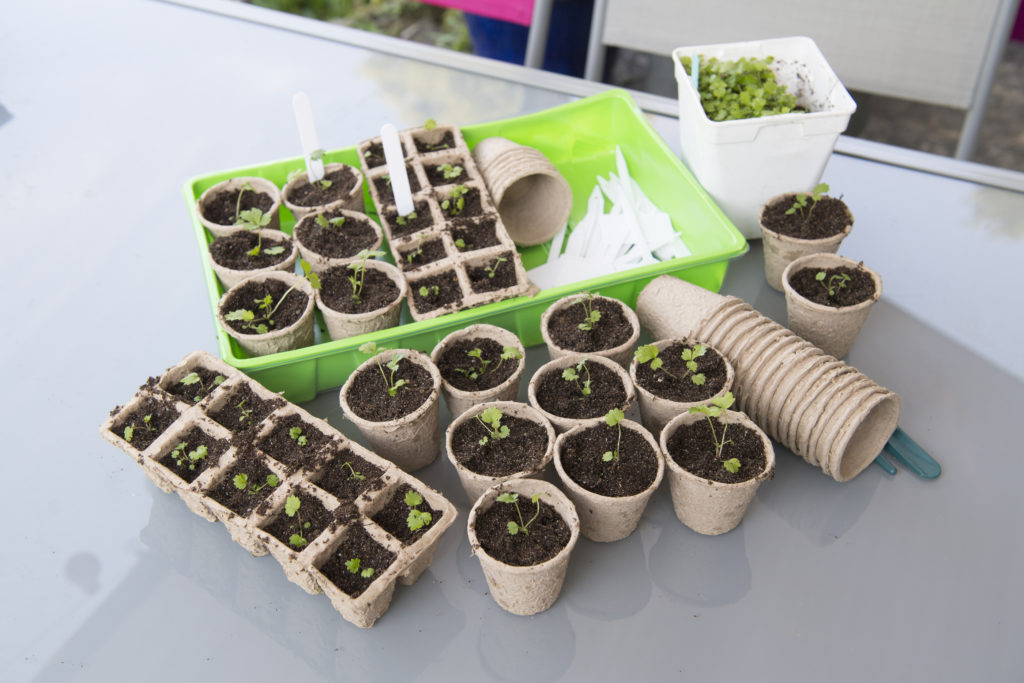
Seedlings started in biodegradable pots

Good Products for Seed Starting Success at Amazon:

Crops best started from seed in the garden

Some crops are not easily transplanted into the garden. These crops simply want to be handled as little as possible; they are too small or too delicate as seedlings to be moved from one place to another. And when it comes to thinning, it’s best to simply cut the thinnings of these crops off at soil level rather than lift them from the bed. Start these crops from seed in the garden:

  • Beets
  • Carrots
  • Corn salad
  • Garden cress
  • Parsnips
  • Rutabaga
  • Salsify
  • Turnips
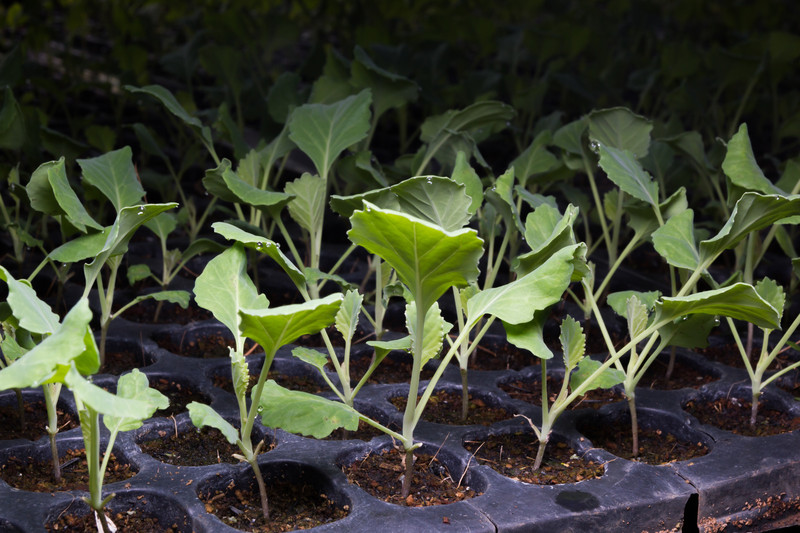
Kale in plastic cell packs
Kale seedlings started indoors in plastic cell packs

Crops best started from seed indoors

Some crops do poorly in outdoor germination conditions–the soil or air temperature must be optimal for success. Started indoors these crops gain the strength necessary to do well in the garden.

Cool-weather members of this group need a head start indoors because they must reach maturity when the weather is cool, before spring turns warm. But the cold air and soil temperatures of late winter are too cold for them to begin growing. Start these crops indoors and set them in the garden to come to maturity before it gets hot.

  • Broccoli
  • Brussels sprouts
  • Cabbage
  • Cardoon
  • Cauliflower
  • Celeriac
  • Celery
  • Florence fennel
  • Kale

Warm-weather members of this group generally take 100 or more days to reach harvest. Started from seed in the garden when the weather is finally warm enough (temperatures consistently in the 60s or above) they are likely to run out of growing season or hold space in the garden that could be used by quicker-maturing cool-weather crops earlier in the season. They are best transplanted into the garden when the soil and air temperatures are right. Started indoors these plants will be well developed when they go to the garden; you won’t have to thin these plants. These crops include:

  • Cucumbers
  • Eggplant
  • Melons
  • Peppers
  • Squash
  • Tomatoes

Good Products for Raised Bed Growing at Amazon:

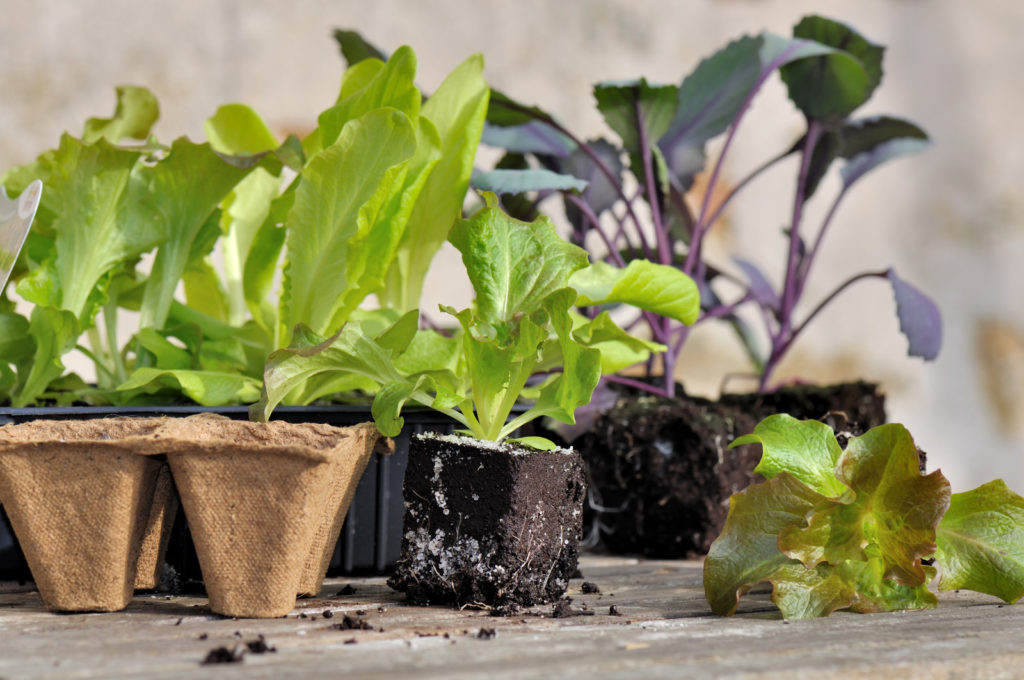
Lettuce seedlings in pots
Lettuce seedlings started indoors in biodegradable pots

Crops to start indoors or outdoors

Some crops start outdoors just as well as they will start indoors. They are not finicky. Cold climate gardeners–gardeners with short growing seasons–often add these crops to those started indoors. The indoor start allows these crops to go into the garden as soon as the soil is workable (with the exception of corn–which will prefer to wait until outdoor temperatures are consistently in the 60s or above).

  • Chinese cabbage
  • Chard
  • Collards
  • Sweet corn
  • Endive
  • Escarole
  • Kale
  • Kohlrabi
  • Leeks
  • Lettuce
  • Mustard
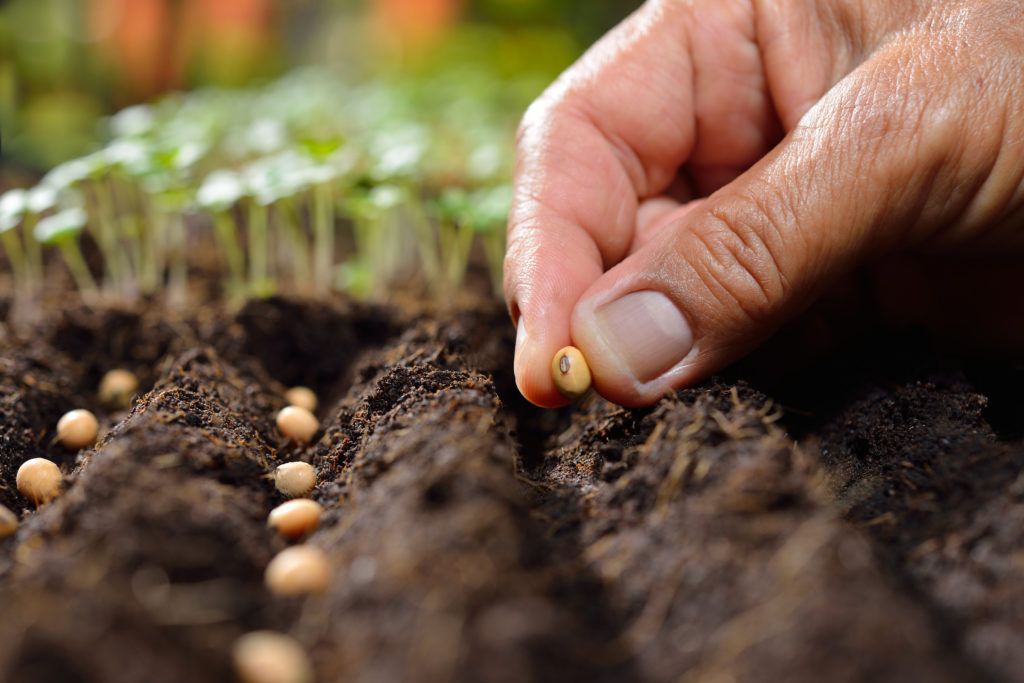
Beans seeds sown in the garden
Beans being sown directly in the garden

Crops to direct sow in the garden or biodegradable pots

Several warm-weather crops do not like being transplanted–their roots are too sensitive. These crops are best started directly from seed in the garden or in individual containers such as biodegradable peat pots or newspaper pots that can be set in the garden.

If you start these crops in plastic pots avoid bending or squeezing the root mass when you transplant them to the garden.

If you sow these crops directly in the garden, thin extra seedlings by cutting them off even at the soil level rather than lifting them and disturbing the roots of the seedlings nearby.

  • Beans
  • Cucumbers
  • Muskmelons
  • Okra
  • Peas
  • Pumpkins
  • Squash
  • Watermelon
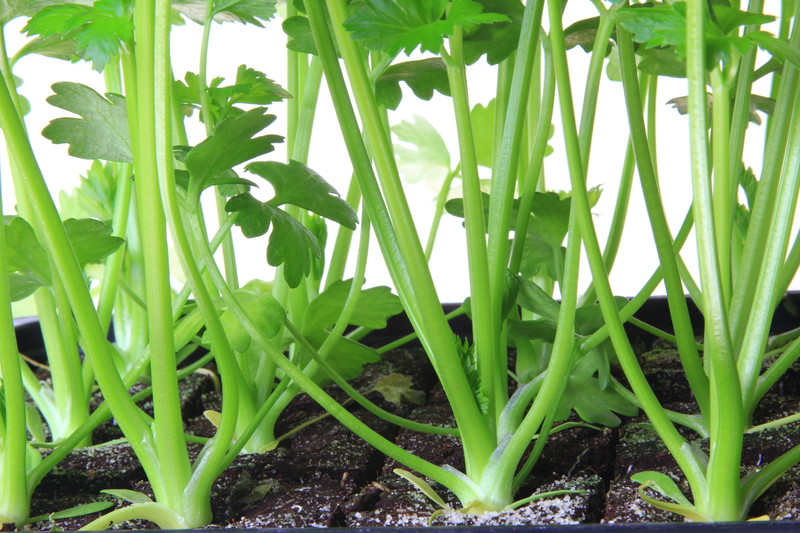
Celeriac started indoors

Crops easily started indoors

First-time seed starters should start with seeds that are easy to germinate and seedlings that can withstand transplanting. If you want to gain experience starting vegetables indoors and avoid first-timers’ frustration, start with any of these crops:

  • Asparagus (dormant)
  • Basil
  • Broccoli
  • Brussels sprouts
  • Cabbage
  • Chinese cabbage
  • Cauliflower
  • Celeriac
  • Celery
  • Chives
  • Collards
  • Eggplant
  • Endive
  • Escarole
  • Garlic
  • Kale
  • Kohlrabi
  • Leeks
  • Lettuce
  • Mustard
  • Okra
  • Onions
  • Parsley
  • Peppers
  • Radicchio
  • Rhubarb( dormant)
  • Shallots
  • Sunchokes (dormant)
  • Tomatoes
  • Tomatillos
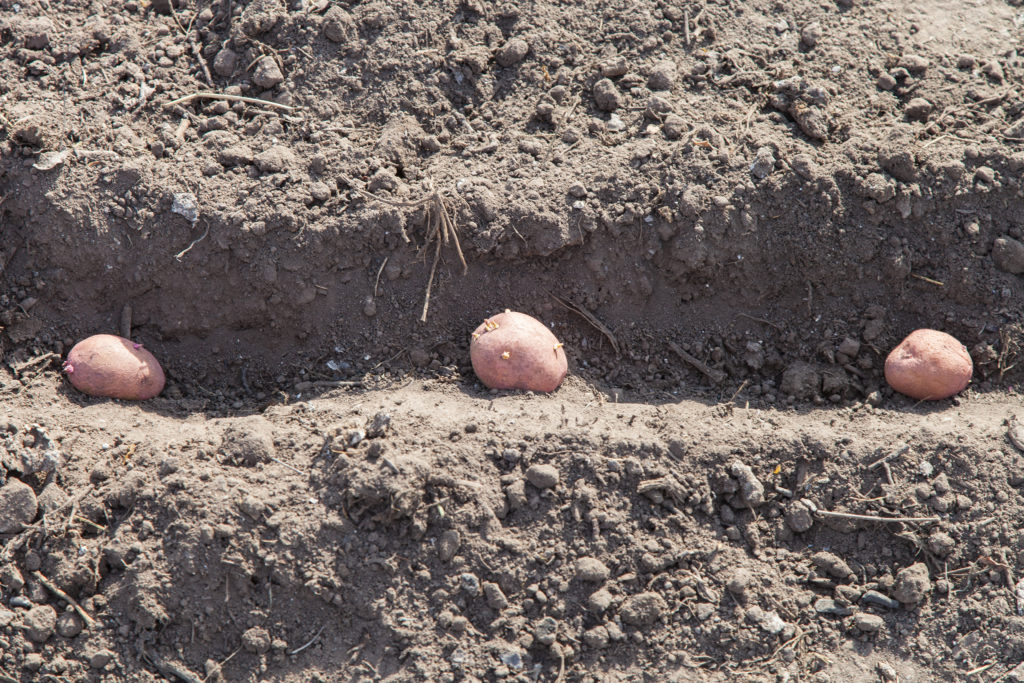
Planting seed potatoes in the garden

Crops not grown from seed

Not all vegetables are started from seed. Root divisions, cuttings, and cloves are used to get some vegetables started. Most of these crops are best started directly in the garden, but many can also be started indoors and transplanted out: artichokes: start from root divisions.

  • Asparagus: start from 1-year-old roots.
  • Garlic: start with cloves.
  • Horseradish: start from root cuttings.
  • Onions: start from sets, seeds, or small plants.
  • Potatoes: start with “seed potatoes”–pieces of potato.
  • Rhubarb: set out root crowns.
  • Shallots: start with cloves.
  • Sweet potatoes: start from slips transplants

Garden Planning Books at Amazon:

The post Starting Vegetable Seeds Indoors and Out appeared first on Harvest to Table.

This content was originally published here.
Widely consumed vegetable oil leads to an unhealthy gut – CLINICALNEWS.ORG

Read Time:7 Minute, 18 Second

RIVERSIDE, Calif. — High consumption of soybean oil has been linked to obesity and diabetes and potentially autism, Alzheimer’s disease, anxiety, and depression. Add now to this growing list ulcerative colitis, a form of inflammatory bowel disease, or IBD, characterized by chronic inflammation of the large intestine.

Researchers at the University of California, Riverside, examined the gut of mice that were consistently fed a diet high in soybean oil for up to 24 weeks in the lab. They found beneficial bacteria decreased and harmful bacteria (specifically, adherent invasive Escherichia coli) increased — conditions that can lead to colitis.

Soybean oil is the most commonly used edible oil in the United States and is increasingly being used in other countries, particularly Brazil, China, and India. In the U.S., soybean production took off in the 1970s for use as animal feed; a byproduct of the increasing trend in growth was soybean oil. Soybeans, a good source of protein, are easy and cheap to grow.

“Our work challenges the decades-old thinking that many chronic diseases stem from the consumption of excess saturated fats from animal products, and that, conversely, unsaturated fats from plants are necessarily more healthful,” said Poonamjot Deol, an assistant professional researcher in the Department of Microbiology and Plant Pathology and a co-corresponding author on the paper published July 3 in Gut Microbes, an open access journal.

Deol explained it is linoleic acid in soybean oil that is the main concern.

“While our bodies need 1-2% of linoleic acid daily, based on the paleodiet, Americans today are getting 8-10% of their energy from linoleic acid daily, most of it from soybean oil,” she said. “Excessive linoleic acid negatively affects the gut microbiome.”

Deol and her co-authors found that a diet high in soybean oil encourages the growth of adherent invasive E. coli in the gut. This bacterium uses linoleic acid as a source of carbon to meet its nutritional demands. Further, several beneficial bacteria in the gut are not able to withstand linoleic acid and die off, which results in harmful bacteria growing out. Adherent invasive E. coli has been identified in humans to cause IBD.

“It’s the combination of good bacteria dying off and harmful bacteria growing out that makes the gut more susceptible to inflammation and its downstream effects,” Deol said. “Further, linoleic acid causes the intestinal epithelial barrier to become porous.”

The barrier function of the intestinal epithelium is critical for maintaining a healthy gut; when disrupted, it can lead to increased permeability or leakiness. Toxins can then leak out of the gut and enter the bloodstream, greatly increasing the risk of infections and chronic inflammatory conditions, such as colitis. The researchers note that the increase in IBD parallels the increase in soybean oil consumption in the U.S. and hypothesize the two may be linked.

Toxicologist Frances M. Sladek, a professor of cell biology and a co-corresponding author on the research paper, recalled that heart disease was linked to saturated fats in the late 1950s.

“Since studies showed that saturated fats can be unhealthy, it was assumed that all unsaturated fats are healthy,” she said. “But there are different types of unsaturated fats, some of which are healthful. For example, the unsaturated fat fish oil is well known to have many beneficial health effects. People therefore assumed that soybean oil is perfectly safe and healthier to consume than other types of oils, without actually doing a direct comparison as we have done.”

Sladek noted that linoleic acid is an essential fatty acid. The soybean oil the researchers used in their experiments had 19% linoleic acid. The American Heart Association recommends 5 to 10% of daily calories be from omega-6 polyunsaturated fatty acids, such as linoleic acid, in order for the heart to remain healthy. Many seed oils – safflower and sunflower, for example — are sources of linoleic acid. Animal fat can also be a source.

“Every animal has to get linoleic acid from the diet,” Sladek said. “No animal can make it. A small amount of it is needed by the body. But just because something is needed does not mean a lot of it is good for you. Several membranes in the body, in the brain, for example, require linoleic acid for the cells to function properly. If all we ate was saturated fats, our cell membranes would become too rigid and not function properly. Future studies are needed to determine the tipping point for how much daily linoleic acid consumption is safe.”

According to Sladek and Deol, olive oil, which has lower amounts of linoleic acid, is a healthier oil to consume.

“Olive oil, the basis of the Mediterranean diet, is considered to be very healthy; it produces less obesity and we have now found that, unlike soybean oil, it does not increase the susceptibility of mice to colitis,” Sladek said.

James Borneman, a professor of microbiology and plant pathology at UCR and a co-corresponding author on the paper, is an expert on the gut microbiome. He has collaborated at UCR with several groups on research projects, including studies investigating how gut microbes prevent obese people from losing weight. For the current study, he teamed up with Deol and Sladek to examine the gut microbes of the mice that were fed a high soybean oil diet.

“Adherent invasive E. coli contributes to IBD in humans, and the fact that we find this E. coli in these mice is concerning,” he said. “Sometimes, it can be unclear how research done in mice translates to humans, but in this study it is fairly clear.”

The research team was also surprised to find that the mice fed on a high soybean oil diet showed a reduction in the gut of endocannabinoids, cannabis-like molecules made naturally by the body to regulate a wide variety of physiological processes. At the same time, the gut showed an increase in oxylipins, which are oxygenated polyunsaturated fatty acids that regulate inflammation.

“We previously found that oxylipins in the liver correlate with obesity,” Deol said. “Some oxylipins have also been found to be bioactive in colitis studies. The bottom line of our current study is that a soybean oil-enriched diet similar to the current American diet causes oxylipin levels to increase in the gut and endocannabinoid levels to decrease, which is consistent with IBD in humans.”

Most processed foods in the U.S. contain soybean oil, perhaps explaining why many Americans have more than the recommended daily allowance for linoleic acid. Further, most restaurants in the U.S. use soybean oil because it is relatively inexpensive.

“Try to stay away from processed foods,” Sladek advised. “When you buy oil, make sure you read the nutrition facts label. Air fryers are a good option because they use very little oil.”

The researchers use olive oil for cooking and salads. Other healthy options for cooking, they said, are coconut oil and avocado oil. They cautioned that corn oil, on the other hand, has the same amount of linoleic acid as soybean oil.

“We recommend keeping track of the soybean oil in your diet to make sure you are not consuming excessive linoleic acid,” Deol said. “That is our take-home message.”

Deol, Sladek, and Borneman were joined by Paul Ruegger, Geoffrey D. Logan, Ali Shawki, Jiang Li, Jonathan D. Mitchell, Jacqueline Yu, Varadh Piamthai, Sarah H. Radi, Sana Hasnain, Declan F. McCole, Meera G. Nair, and Ansel Hsiao of UCR; and Kamil Borkowski and John W. Newman of UC Davis.

The research was funded by grants from the National Institutes of Health, Crohn’s and Colitis Foundation, American Gastroenterological Association, UCR Metabolomics Core Seed Grant, UC Davis West Coast Metabolomics Center, and U.S. Department of Agriculture.

The title of the paper is “Diet High in Linoleic Acid Dysregulates the Intestinal Endocannabinoid System and Increases Susceptibility to Colitis in Mice.”

The University of California, Riverside is a doctoral research university, a living laboratory for groundbreaking exploration of issues critical to Inland Southern California, the state and communities around the world. Reflecting California’s diverse culture, UCR’s enrollment is more than 26,000 students. The campus opened a medical school in 2013 and has reached the heart of the Coachella Valley by way of the UCR Palm Desert Center. The campus has an annual impact of more than $2.7 billion on the U.S. economy. To learn more, visit http://www.ucr.edu.

JOURNAL
Gut Microbes

DOI
10.1080/19490976.2023.2229945

METHOD OF RESEARCH
Experimental study

SUBJECT OF RESEARCH
Animals

ARTICLE TITLE
Diet high in linoleic acid dysregulates the intestinal endocannabinoid system and increases susceptibility to colitis in Mice

ARTICLE PUBLICATION DATE
3-Jul-2023

COI STATEMENT
No potential conflict of interest was reported by the author(s).

This content was originally published here.
Why are frozen vegetable prices so high? Blame war, immigration and California weather, say economists

War in Ukraine, pandemic effects influence pricing

But weather — and its negative impact on crop supply — isn’t the only contributor to higher prices for frozen vegetables.

“The category is impacted by a variety of external factors,” said Alison Bodor, president and CEO of the American Frozen Food Institute.

For example, the war in Ukraine is limiting the supply of commodities like wheat, corn and soy, thereby raising prices for the commodities. The higher prices give farmers a “strong incentive” to plant these commodity products over others (like vegetables), a dynamic that could decrease vegetable supply, Bodor said.

“The costs for commodity crops are related and impacted, thus the cost of specialty crops like vegetables also increase,” Bodor said.

Growers and processors are also coping with other factors like the high costs of cold storage, fertilizer and labor, she said.

Prices for all groceries have been pressured in the pandemic era, due to additional factors like supply-chain issues and fuel costs (to transport crops to store shelves). Grocery prices peaked at an annual inflation rate of 14% in August 2022, the highest since 1979. (They’ve since cooled to below 5%).

“We’re still dealing with these ripple effects from Covid throughout the system,” said Trey Malone, a professor and agricultural economist at the University of Arkansas. “I don’t think we’ve established what the new normal is for consumer food purchases.”

Immigration trends pressure supply of farm laborers

Long-term immigration trends are also serving to put upward pressure on labor costs for farmers, economists said.

Fruits and vegetables are known as “specialty crops,” which are labor-intensive to produce since they are often hand-picked, said Zach Rutledge, an agricultural economist and assistant professor at Michigan State University who specializes in farm labor economics.

Labor can therefore account for a large share of a farmer’s production cost, perhaps up to 40%, Rutledge said.

U.S. labor costs have risen at their fastest pace in decades during the pandemic era, as record-high job openings led employers to raise wages to compete for talent.

But farmers face additional cost hurdles. Seventy percent of crop farm workers in the U.S. are foreign-born, according to the 2019-20 National Agricultural Workers Survey; of them, 91% lived in Mexico before arriving in the U.S.

That survey data excludes workers in the H-2A visa program, which the U.S. grants to seasonal farm workers. The number of H-2A workers has tripled over the past decade, and Mexicans received more than 90% of the visas, according to the University of California, Davis.

“The agriculture sector is heavily foreign-born, and heavily from Mexico,” Rutledge said.

Yet that labor supply is under pressure: Until recently, net migration from Mexico to the U.S. flipped negative, starting around the early 2000s. That meant more people left the U.S. for Mexico, reversing decades of positive migration.

Additionally, agricultural labor is “difficult, challenging physical work,” Rutledge said. Some farm workers may have opted for a more pleasant, higher-paying gig elsewhere in a hot U.S. job market — which would further dilute the pool of available workers, he said.

Climate change — and the extreme weather it produces, whether storms in California, drought, or temperate winters that increase populations of invasive pests — also represent a long-term threat to crop prices, Malone said.

“You can bank on having issues with prices and instability, particularly with climate change, for a long time,” he said. “These ecosystems we farm in are super-fragile.”

This content was originally published here.
VIDEO | Dinner on the Farm returns as Witte’s Vegetable Market teams up with The Precinct

VIDEO | Dinner on the Farm returns as Witte’s Vegetable Market teams up with The Precinct

VIDEO | Dinner on the Farm returns as Witte’s Vegetable Market teams up with The Precinct

VIDEO | Dinner on the Farm returns as Witte’s Vegetable Market teams up with The Precinct

This content was originally published here.
Ciambotta / Giambotta: An Italian Vegetable Stew – Forager | Chef

A hearty Southern Italian stew of vegetables perfect for when the garden’s overflowing. Ciambotta, also known as giambotta, is a great way to turn a handful of vegetables and fresh herbs into a meal you’ll come back to again and again. This ciambotta recipe is adapted from a family recipe given to me by my friends Barry and Amy who helped test recipes for my book.

What is ciambotta?

Ciambotta in Italian basically refers to a dish of stewed vegetables. Its often compared to French ratatouille as it includes summer vegetables like Italian eggplant, tomatoes, zucchini and bell peppers. It’s typically served as a main course, or as a side dish with grilled sausages or swordfish.

It’s part of a family of similar dishes that can be known as minestra. Depending on where you are in Italy (or places Italians emigrated like the United States and Argentina) it can have many different names. At one restaurant I was taught to make chicken giambotta, which only includes potatoes, chicken and peppers.

Barry and Amy’s recipe is different from others I’ve made as it focuses on zucchini, omitting eggplant and bell peppers. I really enjoyed their version, but many recipes will look similar to Lidia Bastianich’s recipe pictured below. Her book on Italian American cooking was one of the first books I cooked from. You’ll notice her version contains no additional liquid and is basically a vegetable saute.

How to make ciambotta

First the vegetables are cut and diced into roughly even-sized pieces.

Next I score the bottom of a few roma or plum tomatoes with an X. The tomatoes are quickly blanched in water, peeled, seeded and chopped.

To cook the dish, first the potatoes are added to a wide pan with plenty of oil and cooked. Then the zucchini, onion, garlic and string beans are added and cooked until the onion’s no longer raw. Next fresh tomatoes, beans, stock or water are added.

The whole pan is simmered until the vegetables are tender and the potatoes, beans and tomatoes have thickened the liquid. Fresh basil is added, along with pecorino or parmesan cheese before serving. I like to add a pinch of red pepper flakes too.

The finished dish can be served immediately like a loose stew, or cooked down until thicker. It will taste the best the day after it’s made. Try it on it’s own or with a slice of crusty bread, and keep the evoo and pecorino cheese handy.

More Summer Italian Food

Ciambotta / Giambotta: An Italian Vegetable Stew

A rich, hearty Italian vegetable dish perfect for when the garden’s overflowing with produce. It can be served as a side dish or a main course.
Prep Time15 minutes
Cuisine: Italian, Italian American
Score the tomatoes end opposite the stem with an X. Core the tomatoes with a paring knife.
Bring 2 quarts of salted water to a boil and cook the tomatoes for 1-2 minutes, or until the skins start to peel. Transfer the tomatoes to a bowl of ice water to cool until you can handle them. Squeeze out the seeds and discard with the skins. Dice the flesh into rough ½ inch cubes and reserve. There should be about 8 oz of chopped tomatoes.

Build the Giambotta

Heat the oil in a wide pan, like a 10 inch skillet with high sides. When the oil is hot, add the potatoes and cook for 2 minutes, stirring occasionally so they don’t stick.
Add a pinch of salt, then the garlic, stir and cook for 30 seconds, then add the rest of the vegetables, turn the heat to medium, and cook slowly for 5 minutes, stirring regularly, until the onion is translucent and the vegetables are about half cooked.
Add the stock, beans, pinch of thyme and tomatoes, bring the mixture to a brisk simmer, turn the heat to medium and simmer for 15-20 minutes, or until the vegetables are tender and the liquid has reduced and thickened.
Add the basil, season the mixture with salt to taste, stirring and repeating the process until it tastes good to you. Dishes like this take more salt than you may be used to, especially if you make it with water instead of stock.
Serving: 10oz | Calories: 957kcal | Carbohydrates: 152g | Protein: 39g | Fat: 53g | Saturated Fat: 6g | Polyunsaturated Fat: 14g | Monounsaturated Fat: 30g | Trans Fat: 0.2g | Cholesterol: 18mg | Sodium: 964mg | Potassium: 5187mg | Fiber: 26g | Sugar: 46g | Vitamin A: 4924IU | Vitamin C: 261mg | Calcium: 321mg | Iron: 10mg

How to Save Vegetable Seeds From Your Garden With Ease!

If you are looking for a way to save big on your gardening budget – and grow bigger, better and more productive plants next year, then you need to save the vegetable seeds from your biggest and best plants this year!

Whether purchasing new seed or buying transplants each spring, it can be expensive starting a garden. But by saving seeds from the best of the best of your plants late this summer, you can not only have free seeds for next year, but also grow healthier, stronger, and more productive plants!

It’s a simple fact, healthy plants and fruit produce healthier seed stock. In addition, the more a plant continues to develop in the same soil (by planting seeds from the same plant year after year) the better it adapts to that soil.

save vegetable seeds from your garden
Saving seeds from your garden harvest not only saves money, but also can help grow better plants from year to year.

But beyond all of those great advantages to saving your own seeds, there is something else that makes it great too – and that is the satisfaction that comes from growing your own plants year after year! For us, there is just something special about watching our own plants grow and produce!

With all of that in mind, here is a look at how to save seeds from your garden – including which seeds you can save, and which you can’t.

How To Save Vegetable Seeds From Your Garden

Knowing Which Seeds You Can Save

When it comes to saving vegetable seeds, success starts with knowing which seeds can be saved – and which can’t. One type of plant you will need to avoid are hybrid plants. Although they can grow amazing fruit and vegetables, their seed is not suitable for saving.

Why? Because hybrid plants are a cross of two or more separate vegetable plants. When grown, the seeds from these plants will not produce the same plant the following year.

Instead, they revert back to one of their original crossed-plants, or most often, an undesirable new mutation. Usually, plants grown from hybrid seed stock will result in plants that produce oddly-shaped ad quite tasteless fruit. Sometimes, the plants turn out sterile and won’t produce any blossoms or fruit at all.

big harvest
Hybrid plants are bred from multiple plants. Because of this, the seeds will not produce the same plant the following year.

Knowing Which Vegetable Seeds You Can Save

When it comes to saving seeds successfully, its all about selecting heirloom (open-pollinated) plant varieties. Seed from open-pollinated plant varieties bear the same crop year after year.

That means when you collect and save seed from these plants, you know exactly what you will get from year to year. And is there ever a wide range of open-pollinated varieties available! From tomatoes, peppers, beans and onions, to peas, corn, pumpkins and more – there are thousands of open-pollinated plants.

Saving Vegetable Seeds – Choosing Your Seed

Now that you know what you can and can’t save, it’s time to start saving seeds! The best time to start saving seed from your plants is after the plant reaches full maturity.

If you select seeds from the first fruit the plant produces, the plant may have not matured enough to produce good seed. With this in mind, selecting fruit during mid to late summer is best. Not is there a better selection of vegetables to choose from, the seed will be much more viable.

When it comes to selecting vegetables for seeds, you want to select the best vegetables your plant produced to take seeds from. The seeds from your highest quality plants and vegetables are also most likely to grow strong and productive plants next year.

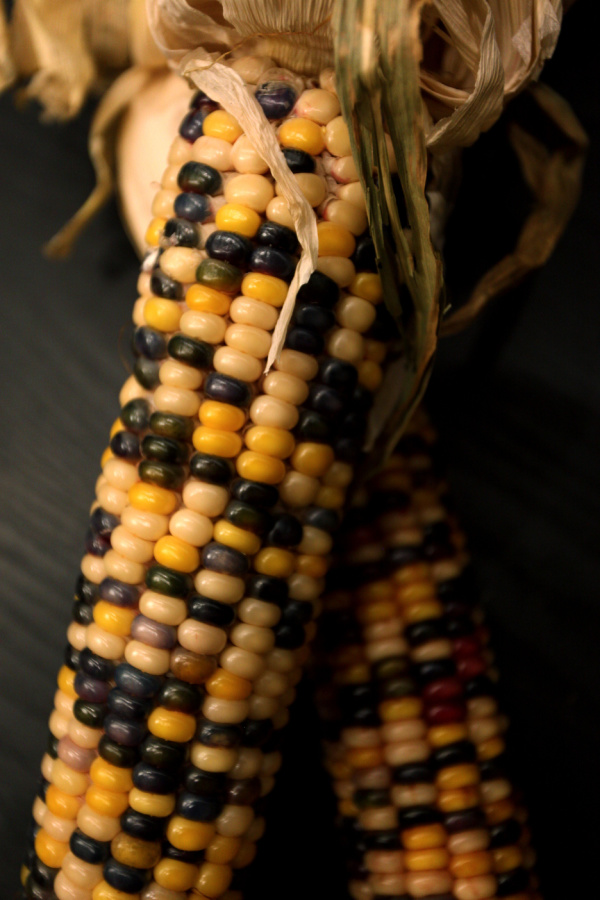
heirloom corn seed
Save seed from the best of the best of your vegetables. This heirloom corn developed perfectly – and the kernels are likely to produce similar plants next year.

It goes without saying, do not use any seeds from damaged vegetables or ones that are coming from plants that show any sign of issues or disease. The likelihood of passing those traits on to next year’s plants are high!

Be sure to pick only mature vegetables that have reached their final size and coloring. If you are growing more than one plant of the same variety, pick a few vegetables from different plants. Not only will it give you adequate seeds to plant next year, it also guards against the chance any one vegetable having a bad seed core.

Drying & Saving Seed

Other than tomatoes (which are covered below), the process of saving seed is nearly identical for all vegetables.

For soft vegetables, cut the vegetable in half and scrape out the seeds from the seed core. For harder vegetables like beans and corn, allow them to dry out a bit before shelling for seed.

Once the seed is our, lay them on a paper towel in a sunny or warm location. This will help to remove excess moisture in the seed and help them dry out. Most seeds will dry out in about a week or two. Once the seeds have dried completely to the touch, place the seeds in a folded paper towel.

By placing in a paper towel, any remaining moisture will wick away from the seed. Now it is all about storing your seed properly – which means sealing them in an airtight zip-lock bag or container and placing in a cool, dry location until ready to use.

You can also store chilled in the refrigerator until spring – but it often takes up valuable refrigerator space. One thing you do not want to do is freeze them. It can simply develop too many moisture issues for your seed.

About Tomatoes – How To Save Vegetable Seeds From Your Garden

Tomatoes, unlike other vegetable plants, require an extra few steps for saving. To create good seed, tomatoes actually need to ferment a bit before drying and storing. This process helps to break down the outer protective coating on a tomato seed, allowing it to germinate the following year.

It sounds difficult and technical, but the process is fairly easy to accomplish. Simply scoop out the pulp and seeds of the tomatoes and place in a jar.

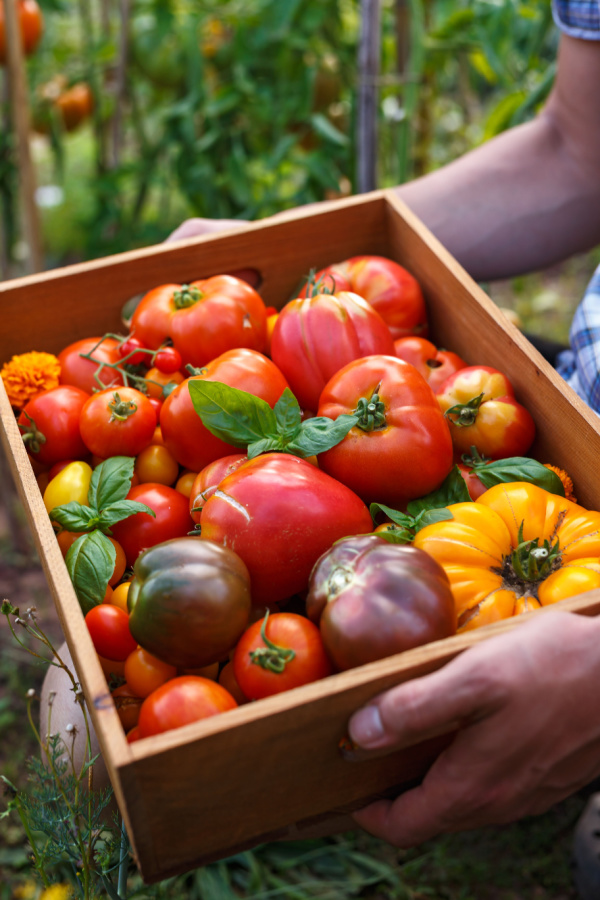
heirlooms
Saving your own seed allows you the opportunity to grow the plants and vegetables you love most – all for free!

Place the seeds in an out of the way area and allow the seeds and pulp to mold for a few days. This can sometimes put off an odor, so placing them away is a good idea! Then after a few days – just wash off and dry the seeds like above. The mold will etch the seeds and have them ready to germinate next season!

Once all of your vegetable seeds are saved and stored, you will be armed and ready for planting your garden next year – with zero expense! Happy Gardening – Jim and Mary

As always, feel free to email us at [email protected] with comments, questions, or to simply say hello! You can sign up for our free email list in the subscribe now box in the middle of this article. Follow us on Facebook here : OWG Facebook. This article may contain affiliate links.

This content was originally published here.

Ubi night vegetable market to end operations in August

A vegetable night market operating out of an open-air carpark in Ubi will call it a day in August, joining the fate of a similar market in Toa Payoh which will also shutter that month.

JTC Corporation – which oversees the Kampong Ubi Industrial Estate, where the market is based – said the site’s three vendors are operating under a temporary occupation licence, which is due to expire at the end of March.

“JTC is facilitating an extension of the (temporary occupation licence) from March 31, 2023, to Aug 31, 2023, to allow the vendors more time for relocation,” said a JTC spokesman, describing the market as a “distribution site”.

The industrial developer said it is working with the Singapore Food Agency (SFA) to identify “suitable relocation sites with shelter and proper facilities” where the vendors can continue their businesses.

These sites include the Pasir Panjang Wholesale Centre, market stalls in centres managed by the National Environment Agency or stalls in single-operator markets, it added.

JTC did not say why the vendors’ licences are not being renewed.

The market, which is open from around 11pm to 7am, has been operating at the location since around 2010.

Last month, SFA said a wholesale vegetable night market, which had been operating along Toa Payoh East for more than five decades, would shutter on Aug 19, due to higher expected road traffic amid upcoming housing developments in the area.

When The Straits Times visited the site at Ubi Avenue 3 on Thursday night, sellers said they have no idea why their licences are not being renewed.

The open-air market there differs from the one in Toa Payoh East in that vendors are licensed and pay rent for the use of the site.

More On This Topic

One seller, Mr Derrick Tan, told ST he pays about $3,000 monthly to set up shop there, which includes paying JTC for the rental of the carpark spaces as well as contractors for cleaning services and the use of a small portable toilet.

The 48-year-old, who took over the business from his uncle about eight years ago, said the market sees fewer customers now. When it started, there were more than 15 vendors hawking their produce at the site.

Most have either retired or quit, he said.

Though walk-in customers were previously more common, sellers now largely use the site for packing and distribution. “You wait for half an hour, you won’t see any customers here,” Mr Tan said.

A news report in 2013 showed that vendors occupied more than 30 parking spaces at the Ubi carpark at the time.

The vegetable wholesale market in Ubi Avenue in June 2013. PHOTO: THE NEW PAPER
 

Mr Tan said his customers – who are mostly hawkers and restaurateurs – pay less for produce at the open-air market. For example, 1kg of chye sim is priced at 80 cents, while a 10kg bag of potatoes costs just $8 – a fraction of what people would pay at regular markets.

Mr Tan said he is now bidding for a unit at a nearby building. He said the Pasir Panjang Wholesale Centre would be inconvenient for his customers – most of whom are located in the east – while a typical market stall would be too small.

JTC said it is working with SFA to identify “suitable relocation sites with shelter and proper facilities” where the vendors can continue their businesses.  ST PHOTO: DESMOND FOO
 

Another vendor, Mr Richard Poh, said he has been selling vegetables in various locations for 30 years and began operating at the Ubi site about four years ago.

The 53-year-old said he is considering switching to a delivery model of business, without operating a physical stall.

One of Mr Poh’s customers, 64-year-old Zheng Qiurong, said she turns up every other day at the open-air carpark to buy vegetables because of the convenient location and competitive prices.

Ms Zheng, who runs a ban mian stall at the Old Airport Road Food Centre with her husband, said she will continue buying from Mr Poh via delivery once the Ubi site closes.

More On This Topic

This content was originally published here.

Your Essential Guide to Starting a Vegetable Garden for Your Home

Learn the process of starting a vegetable garden. From choosing the right location to caring for your plants, here’s how to get started.

This content was originally published here.

Vegetable Prices In West Bengal: Monsoon cooling effect on markets: Prices of chilli, bitter gourd, beans start falling in West Bengal | Kolkata News – Times of India

Prices of home-grown vegetables like ridge gourd, bitter gourd, green chilli, long beans and beans have finally started cooling with the restoration o

This content was originally published here.

« Previous Page — Next Page »