The dangers of diet culture

Carina Pacheco ’23 is a history major and a native of New Jersey. She is a part-time barista and a full time dog lover. In addition to contributing to The Flat Hat, Carina is a member of the club lacrosse team and the Young Democrats club. Email Carina at [email protected].

The views expressed in the article are the author’s own.

My grandfather used to have a saying: better to stay quiet and be thought a fool, than to speak and have it confirmed.

I was sitting in a coffee shop, doing work and flipping through computer tabs, when a woman and her elementary-aged daughter walked in, both sporting bobbed blonde hair and neat outfits. The little girl swelled with excitement at the pastry case and exclaimed about the Victoria Sponge cake loud enough for the whole cafe to hear. Her guardian leaned down and whispered to her not to shout, but to control herself and ask for what she would like. Correcting her posture and her volume, the little girl politely asked the barista for a slice of her coveted Victoria Sponge. The mother ordered a cookie for herself and a pot of tea for the two to share.

After this interaction at the counter, I tried not to eavesdrop again. However, this proved difficult for me, since I am nosy and the pair sat directly in front of me. The barista brought over their tea and treats, and I unconsciously braced myself for a “big slice of cake for such a little girl!”  No such remark came. The duo spent the rest of their time chatting over their refreshments and reading a book together.

From my own experience as a barista in a cafe and gelateria, I have heard it all. “Oh, just a small scoop for me.” “I’m so bad!” “Let’s treat ourselves, we deserve it.”  “No dinner for me tonight!”  These phrases were common.  I grew increasingly accustomed to them, but they still never get easier to hear.

“Oh, I’m not getting anything,” said a mother one summer night, chaperoning three young kids with fingers and noses up against the glass–“I’m not young anymore.” I even got a forceful “that’s enough!” from one woman, before I had filled her small cup up even halfway with coffee-flavored dessert. This instance really puzzled me, because I still had to charge her the full price for a third of the product.

Diet culture’s toxic narratives are so deeply ingrained in our culture that mindless and potentially harmful comments or phrases just come out.  Much of the time, these words carry no intention of ill-will, criticism or judgment. They’re just that: mindless, thoughtless, trained reactions.  Regardless of intention, each comment I heard from men and women, young and old, stuck with me, just as they likely stuck with their children, friends or even strangers waiting in line for their coffee or dessert.

But, as another sweaty, sticky summer approaches, so do shorts, tank tops and bathing suits.  Be kind to yourself and others–and don’t be a fool when you could’ve kept quiet. We all make mistakes and we can all misspeak, but none of us want that little girl growing up afraid of her Victoria Sponge cake.

Let us know whether you agree with this article here

The assistance gaps in combating COVID-19 in Brazil: for whom, where and when vaccination occurs | BMC Infectious Diseases | Full Text

The spacial and temporal profiling of the vaccination for COVID-19 in Brazil is key to understanding who, where, and when immunisation is occurring in the country. Vaccination in Brazil presents a distinguished historical scenario, with its National Vaccination Programme (PNI) being an example for the world [24]. However, the pandemic of COVID-19 brought numerous challenges. The setback imposed by the pandemic is evident in the drop in life expectancy of the population by approximately 2 years, going to 74.8, putting Brazil back to the numbers reached in 2013 [25].

One of the criteria for defining the elderly population group as a parameter of priority in vaccination against the coronavirus was the high morbidity and mortality in this group [9, 26]. This phenomenon occurs given the increased vulnerability to infectious diseases with unfavourable prognoses, added to associated comorbidities [27,28,29], as evidenced in April 2021, when 69.3% of SARS deaths were in individuals over 60 years of age, of which 61% had at least one comorbidity. Heart disease and diabetes were the most frequent conditions, and most of those who died and presented some comorbidities were 60 years or older [30].

In Brazil, by the end of April 2021, the first dose of CoronaVac or AstraZeneca vaccines had been administered to 24,768,325 individuals over 60 years, corresponding to 82.02% of the population estimate of the national COVID-19 vaccination campaign for this group [9]. In comparison with the United States, by 10 April 2021, 79.1% of the population above 65 years had initiated their vaccination [31]. This significant percentage of vaccinated elderly, with possible hospitalisation prevention of up to 94% with AstraZeneca [32] and 87.5% for CoronaVac [33], may be a relevant cause of the demographic shift in the profile of those affected by COVID-19 in 2021, with young and middle-aged adults representing a larger share of hospitalised cases and deaths. As shown in the Fiocruz epidemiological bulletin for weeks 16–17 of that year [34], the mean age of hospitalisation reduced from 62.7 to 57.1 and the mean age of deaths from 71.5 to 63.7 between epidemiological weeks 1 and 16.

Vaccination began in the Southeast region with the CoronaVac vaccine produced by Sinovac in partnership with the Butantan Institute. Such local production may explain why the Southeast region accounted for most of the vaccination by the elderly group (46.1%) and health workers (45.3%). The temporal distribution of vaccine doses followed the expected model, with clusters of high incidences of vaccination by EP occurring in epidemiological weeks 8 to 12, followed by high clusters of indigenous and quilombola group and health workers group, order of priority established by the national Ministry of Health [8]. Regarding the type of vaccine applied, the increase in high vaccination clusters was also due to the arrival of AstraZeneca/Oxford in Brazil on 21 March 2021 [35].

A decrease in the VR of CoronaVac was observed from week 14 to the last week analysed. It is important to point out that from May on, 72% of the vaccines distributed to the states were AstraZeneca type due to the decrease in the production of CoronaVac as a result of lack of inputs. This scarcity could be related to the diplomatic conflicts between the Brazilian government and the government of China, the leading supplier of Active Pharmaceutical Ingredient (API) to produce the CoronaVac vaccine [36]. The supply shortage can justify the predominance of high clusters of AstraZeneca vaccines over Coronavac across all groups starting on week 10, as evidenced in Fig. 1.

A possible cause pointed to the reduction in the vaccination rate for the EP was the inclusion of the group of comorbidities. This inclusion supposedly deviated the limited vaccine supplies to meet this new demand and could have caused the loss of vaccines since this group required medical statements before scheduling, which discouraged vaccination [37]. However, this argument becomes erroneous since, regardless of the recommended age range, chronic respiratory and cardiovascular diseases are presented as a high-risk factor for mortality by COVID-19 [8, 38]. Therefore, not including these groups in exchange for greater logistical ease would ignore the main objective of vaccination, which is to prevent severe cases and deaths.

Regarding the second dose, the elderly group in the Southeast region presented outstanding clusters of low rates for both vaccines, which can be related to the high number of people overdue for their second dose of vaccination in those states [39]. Furthermore, the difference in time between the first and second dose clusters, comparing the two vaccines, can be justified by the difference between the vaccination interval, which is 21 days between doses for CoronaVac and three months for AstraZeneca. Therefore, considering AstraZeneca’s inter-dose interval, the clusters of the second vaccination dose were affected, given the time frame adopted in the current study.

Concerning spatial analysis, for the elderly group vaccinated with CoronaVac, spatial clusters of high VR were detected in the country, emphasising Ceará, Rio Grande do Norte and Paraíba, the eastern of Minas Gerais, and the northeastern portion of Rio Grande do Sul. An important fact is that Ceará has prioritised the elderly over 75 years as a first phase vaccination goal by EP before including the group under 60 years and comorbidities [9]. With AstraZeneca, it was observed that the countryside of Pernambuco, Alagoas and Sergipe, the eastern border between Minas Gerais and São Paulo, had the highest concentration of high VR among the clusters found. To the same priority group, the second dose of AstraZeneca showed a cluster of high VR points only in the state of São Paulo. This phenomenon may be supported by the fact that AstraZeneca application began earlier and on a larger scale after the lack of CoronaVac.

About ten weeks after the period analysed in the present study, health scenarios indicated a return in the relative increase of deaths and hospitalisations among the elderly. According to the Fiocruz Bulletin of the epidemiological week (EW) 31–32, this group returned to present an average near the 70 years in deaths. Furthermore, the proportion of hospitalised cases among the elderly, at 27.1% in EW 23, grew to 43.6% [39]. This change is due to the shift generated by the achievement of broader vaccination coverage for the elderly in lower age groups, together with a possible reduction in the immunising power over time, associated with a reduction in the potential of the immune system with advancing age and the emergence of more transmissible, and new variants, such as the delta variant.

By the end of May 2021, 11,965,603 healthcare workers had received at least one dose of CoronaVac or AstraZeneca. This group’s pattern of vaccination distribution followed the expected demographic density arrangements in most of the country, with the Southeast leading the vaccinated contingent due to the higher number of healthcare workers (Table 1). The analyses of spatial clusters also detected this trend, especially for the state of São Paulo, where the Butantan Institute is located. This institute has successfully brought international partnerships for the development of tests and application of vaccines [41], highlighting the performance of CoronaVac, which generated, for both doses, spatial clusters of high vaccination rates in that state.

Right behind the Southeast, the Northeast region accounted for the second-highest number of vaccinated health workers in the country. However, for the North and South regions, the VRs observed with AstraZeneca were not higher than those expected for many HR. For its second dose, it was observed that healthcare workers remained leading in clusters of low VR in Brazil. This event was due, among other reasons, to the period covered by the study and to political and institutional disagreements [42,43,44], which ended up putting scientific negationism and ideological aspects ahead of vaccination objectives.

In addition, due to its continental dimensions and with multiple points of tension outside the political arena, Brazil needed to seek very efficient and coordinated logistical solutions for distribution and storage. In this sense, small failures accumulated throughout the process ended up causing delays and losses during the stages of immunisation, making the country quickly susceptible to the enormous human and material impacts of the pandemic during almost the entire year of 2020 [42,43,44]. This occurrence can be verified in the vaccination proportional to the population ranking [45], in which Brazil ranked 78th at the beginning of June 2021. Moreover, factors such as failures of shared management between the public administration levels; disparity and conflict between the healthcare capacity offered by public and private health systems; and actions that contributed to the country’s political and economic instability, hindering more accurate and anticipated decision-making [42,43,44].

Vaccination coverage among healthcare workers offers a simultaneous benefit to patients and workers themselves. Studies have shown that the risk of healthcare workers becoming infected with the novel coronavirus was high but reduced considerably in this population after immunisation [46]. However, a study identified disparities between vaccination rates among healthcare groups, with physicians more vaccinated, followed by nurses and technical assistants [47].

Worldwide, priority groups of older people and healthcare workers were the first to benefit, followed by those with severe comorbidities [48, 49]. However, during the early stages of vaccination, these priority groups encountered several difficulties arising from the challenges of concatenating a limited amount of vaccines for many people with closely related needs [48,49,50]. The VR observed among healthcare workers in Brazil in the first months of immunisation was negatively distinguished from other large-sized countries, for example, with the rate found in the USA [51]. This event was related to the Brazilian government’s difficulty in articulating the purchase of large quantities of vaccines in the first opportunities, which ended up not only delaying the vaccination for the priority groups but also overloading the vaccination sites, which had only CoronaVac available, therefore not meeting the massive demand [42,43,44].

The NASEM (National Academies of Sciences, Engineering, and Medicine) and the WHO have recommended that policymakers prioritise racial and ethnic minorities for vaccination against COVID-19 [52]. An analysis of indigenous populations in 23 countries found worse health indicators outcomes in this group: life expectancy at birth, infant mortality rate, maternal mortality, low birth weight, infant malnutrition, obesity, and others [53]. In Brazil, infectious and parasitic diseases are among the most responsible for indigenous deaths, especially compared to the rest of the national population. A recent example is the H1N1 pandemic in 2009, when 1,567 deaths among indigenous peoples were recorded in Brazil, 4.5 times more affected than the general population [13].

In the current pandemic, the greater vulnerabilisation of certain racial and ethnic groups is a reality worldwide and nationally. For example, a study published in late 2020, which analysed 29,008 cases and 532 deaths of indigenous people in Brazil from COVID-19, found national incidence and mortality rates of 3,546.4 cases and 65.0 deaths per 100,000 inhabitants, respectively, and a case fatality rate of 1.8% in the group [14, 54]. Factors that explain the vulnerability produced to this group in the current pandemic in the country are: communal lifestyle; constant invasions of indigenous lands; missionary actions; absence of a protection policy by the federal government; lack of an adequate drinking water supply system; poor access to hygiene products and alcohol gel; limited access to health care, especially those of high complexity [13]; and reduced investments of the Mais Médicos program, which has resulted in the dismissal of more than 8.000 primary care physicians in 2019, mainly affecting indigenous communities in remote areas [54].

The present study found clusters of high vaccination rates with CoronaVac during the first seven epidemiological weeks and low vaccination rates in the following weeks. With AstraZeneca, high vaccination clusters occurred after the tenth week. This temporal pattern followed the expected trend for priority groups included in the first phases of vaccination in most state and municipal plans. Moreover, it was very similar to the temporal pattern found for healthcare workers. Among the groups analysed in this study, the indigenous and quilombola populations had the lowest vaccination rates, with a national rate of 0.62/100.

The percentages of complete vaccination schedules were also the lowest when comparing indigenous and quilombola to the other groups studied, not exceeding 2% in any of the five regions during the weeks studied. In the North region, for example, where 97.3% of demarcated indigenous lands in the country are concentrated [55], the vaccination rate for the group was 0.18/100 inhabitants, with 0.38% of individuals with a complete scheme. Some difficulties faced during the period studied for the vaccination of these ethnic and racial groups may explain such results: deficient national immunisation plan, highlighted by inconsistencies regarding the definition of priority groups; geographic isolation; problems with local management and vaccine hesitation.

Regarding the indigenous population, the Special Secretariat for Indigenous Health (SESAI) is responsible for the immunisation actions executed by 34 Special Indigenous Health Districts (DSEI) [55]. For the establishment of the National Plan for the Operationalisation of vaccination against COVID-19, the estimation of the indigenous population was based on data from the Department of Indigenous Health (DESAI), including those over 18 years of age served by the national public health system, living on demarcated lands.

According to the Plan, it was recommended that the vaccination should be carried out in agreement with the DSEI responsible for each municipality with which the indigenous lands are associated, including this population in the vaccination first phase [9]. There are 310 indigenous lands in stalled demarcation processes. Consequently, in this first stage, 379.5 thousand people, or 42.8% of the indigenous population, were left out of the first stage of the immunisation against coronavirus [55]. On 16 March 2021, the Federal Supreme Court (STF) accepted the appeal of the Association of the Indigenous Peoples of Brazil (APIB), determining that even “unallocated” indigenous people should be included in the General Plan of Confrontation of COVID-19 for Indigenous Peoples [56], leading to an increase in the vaccination following the decision.

For the quilombola population, data from the 2010 National Census were applied regarding individuals above 18 years of age, maintaining the recommendations for creating strategies at the municipal level [9]. The quilombola population also faces problems regarding the certification of their territories. The titling of lands belonging to the remaining quilombola peoples/communities is carried out by the National Institute of Colonisation and Agrarian Reform (Incra), and less than 7% of them are regularised. The populations of lands whose possessions are not regularised found, in the pandemic, the problem of access to vaccination, testing and medical assistance [57]. Moreover, in the 23 national states that have made available their vaccination plans, only 12 have included the quilombola population among the priority groups. The majority did not inform the phase in which the vaccine should be applied in this group [13].

Regarding both groups, geographic isolation imposes itself as another difficulty faced. The Associated Press, which accompanied the transport of vaccines by health workers to indigenous and quilombola communities, reported problems regarding the delivery of vaccines in locations with access only possible by boat, requiring several days of travel, highlighting the difficulty of maintaining the refrigeration of vaccines during transport [58]. For example, in the quilombo Kalunga do Mimoso, in the state of Tocantins, the community had to gather to purchase a refrigerator to store the vaccines since the municipality provided the doses but not the refrigeration equipment. In summary, the vaccination of ethnic priority groups in the country is hindered by local public administrators’ lack of political will [59].

According to the last national census (2010), the regions with the largest indigenous populations are the North, with 342,836 people and the Northeast, with 232,739 [60]. Concerning the quilombos, the states of Bahia (NE), Maranhão (N) and Minas Gerais (SE) concentrate more significant numbers; also highlighted are other states of the Northeast region, and the state of Rio Grande do Sul [61]. However, despite presenting higher concentrations of demarcated lands and people declared or considered indigenous, the North region did not present clusters of high or low vaccination rates. The absence of high vaccination clusters can be explained by the problems previously mentioned, especially in the Legal Amazon region.

Despite the significant indigenous and quilombola populations contingent, which could translate into lower vaccination rates due to the greater need for vaccines, the Northeast region presented high vaccination clusters for both vaccines. With the pandemic of COVID-19, the matter of vaccine hesitancy returned strongly to the scientific community’s interest, which moved new efforts to investigate the rates of vaccine intention [62]. Research involving healthcare workers showed that the rates of intention to be vaccinated among professionals varied throughout the pandemic between 27.7 and 77.3% [63]. Among the main issues involved in vaccine hesitancy are insecurity about its efficacy/quality and the political and organisational dissonance between governmental sectors, health entities and supranational bodies [63, 64]. This social behaviour may have reduced VR among health workers in some country areas.

For the elderly, a relevant issue directly related to the low demand for the second dose is the wide dissemination of fake news and the movement of anti-vaccine groups. Despite studies that prove the vaccine’s effectiveness, vaccine hesitation is still frequent, and anti-vaccine movements can find even greater ground among the elderly group since they also represent the age group with less access to education and high rates of functional illiteracy [64, 65].

In certain indigenous localities, vaccine hesitancy and resistance are of particular concern, especially in the states of the legal Amazon. According to SESAI, 70% of the indigenous people living in the Rio Tapajós basin villages (state of Pará) were doubtful or had refused to take the COVID-19 vaccine. In the region, 6,420 doses of the vaccine were made available by 25 March 2021. However, only 30.3% were applied, as 35.2% of the indigenous people refused to take it, and another 32% stated they were hesitant about accepting the immunisation [66]. The dissemination of fake news by evangelical religious groups has been pointed out as one of the main factors responsible for such hesitation, especially in the states of the legal Amazon, where these groups have spread in the last ten years. An analysis with community leaders, researchers, indigenous people, and non-governmental organisations showed that where there is a more significant presence of pastors opposed to vaccination, VRs were lower [67].

While collecting data for the study, some limitations were identified. The database used had some discrepancies in the notification, such as the non-matching of the number of doses applied and people associated with risk groups, making it difficult to interpret some vaccination behaviours, especially for the population over 80 years old in the South region. In addition, another limitation was the absence of demographic data for the year 2021, which was replaced by 2020 values. Likewise, the demographic data for indigenous and quilombola people for 2019 were used, the most up-to-date available. From the study period perspective, while this work was able to broadly overview the behaviour between doses of CoronaVac, the evaluation of the dynamics between doses of AstraZeneca was hampered, given that at the end of the 21st epidemiological week of 2021, this vaccine had not yet reached the second dose’s peak of administration.

Hawaii Allstar Net Activities – Big Island ARRL News

Weekly Hawaii/Mainland Allstar Net begins today, Sunday, 08 May 2022, 4 p.m. (HST).

Views expressed in this Amateur/Ham Radio News update are those of the reporters and correspondents.

Accessed on 08 May 2022, 1301 UTC.

Content provided by Dave Pacheco (AH6OD).

Aloha All,

All radio amateurs are invited. This network has a big footprint, and good ears with multiple remote Allstar simplex and repeater nodes, so hams on every island and on the Mainland should be able to check in. Prior to the net, we’ll be re-transmitting Amateur Radio Newsline weekly broadcast.

Weekly Newsline Broadcast Sunday 08 May at 1530 Hawaii Standard Time (09/0130 UTC)

Weekly Hawaii/Mainland Allstar Net starts Sunday at 4pm Hawaii Standard Time (09/0200 UTC)

Net Control: TBD

East Hawaii Radio Training Net Sunday Night at 7pm Hawaii Standard Time (Big Island Only) – Every 2nd and 4th Sunday

Net Control: Gary M. (KH6GM) – Ninole, Hawaii

Net Control will take check-ins from East Hawaii Group first followed by others on Hawaii Island only. This net is open to anyone who wants to participate.  Net Control will be operating from Hilo on the NH7GX VHF repeater.  Please observe a two second delay on key up time between each transmission.

Hilo LDS Emergency Response Net Monday Night 09 May at 2030 (8:30pm) Hawaii Standard Time (10/0630 UTC)

Net Control: Alex E. (AH6KZ) – Keaau, Hawaii

Net Control will take check-ins from Hilo Stake first followed by others on the Allstarlink network to include other Stakes in the Hawaiian Islands and mainland stations. This net is open to anyone who wants to participate.  He’ll be operating from Keaau, Big Island using WH6DVI VHF repeater in Ainaloa.  Please observe a two second delay on key up time between each transmission.

All activities except the East Hawaii Radio Training Net can be heard on the following links:

For those outside the Hawaiian Islands, you can reach the network using any one of the Allstar Nodes 28508, 42616 or 45530

Allstar – Hawaii/Mainland Allstarlink Network via RF simplex and repeaters throughout the Hawaiian Islands.  Here is a link to view the RF frequencies depending upon where you reside:  https://drive.google.com/open?id=1yzLw8DZxYvQRL4lJKmA-KGpMn3aH4Ch_&usp=sharing

Brandmeister/DMR:  TG 31158 “Hawaii Allstar Net”

For those not licensed yet, you can listen to the net on the following website.   https://www.broadcastify.com/listen/feed/27598

If anyone needs help, please let any of the sysops know.  Glad to be of assistance.

Aloha es 73 de Russell Roberts (KH6JRM)

Public Information Officer

Francisco Armando Pacheco: Revolutionizing Optometry and Shaping the Future of Vision Health

Francisco Armando Pacheco: A Pioneer Optometrist and Visionary

Biography:

Introduction:
Francisco Armando Pacheco, a prominent figure in the field of optometry, was born on August 10, 1893, in the historically rich city of Alcalá de Henares, Spain. His exemplary career as an optometrist spanned over six decades and left an indelible mark on the advancements made in the field. Pacheco’s dedication to improving eye health and his relentless pursuit of knowledge made him a widely respected and sought-after professional during his time.

Early Life and Education:
Born into a middle-class family that valued education, Francisco Armando Pacheco displayed an extraordinary curiosity from a young age. His parents recognized his exceptional intellectual abilities and encouraged him to pursue higher education. After completing his primary education with flying colors under the guidance of renowned teachers at his local school, Pacheco enrolled at the University of Madrid.

At university, he developed a deep interest in various scientific disciplines but found himself particularly drawn to anatomy and physiology—subjects that would later form the foundation of his groundbreaking work in optometry. Determined to expand his horizons beyond traditional medical studies, Pacheco sought mentorship from leading ophthalmologists who introduced him to the burgeoning field of optometry.

Career Breakthroughs:
In 1919, after obtaining his medical degree with honors from the University of Madrid, Francisco Armando Pacheco embarked on pioneering research focused on improving visual acuity through optical correction techniques. His early studies resulted in innovative findings regarding nearsightedness (myopia) and astigmatism—common vision impairments affecting millions worldwide.

Pacheco’s breakthrough research led him to open his own private practice specializing in optometric services shortly after completing his postgraduate studies. In this venture located centrally within Madrid’s medical district, he became known for employing cutting-edge technologies and progressive treatment methods. His patient-centric approach and the precision with which he diagnosed and corrected visual impairments earned him a reputation as one of the finest optometrists in Spain.

Professional Contributions:
Francisco Armando Pacheco’s unwavering commitment to furthering the field of optometry led him to establish Spain’s first-ever Optometric Association in 1930. As acting president, he spearheaded numerous campaigns advocating for regular eye exams, public awareness regarding vision health, and access to affordable glasses for those in need. Moreover, Pacheco used his platform to lobby for stronger regulations within the profession to ensure safer practices and promote well-researched scientific techniques.

Pacheco also dedicated considerable effort to sharing his knowledge with aspiring optometrists. He lectured extensively at local universities, delivering captivating talks on optics, ocular diseases, and refractive correction methods. His passionate teaching style not only inspired countless students but also cultivated a new generation of optometrists who would carry his legacy forward.

Legacy:
Throughout his illustrious career, Francisco Armando Pacheco published numerous articles in esteemed medical journals that explored complex topics such as binocular vision anomalies, presbyopia management techniques, and ocular pathology detection through advanced diagnostic tools. His groundbreaking contributions pushed boundaries within the field of optometry while improving countless lives through enhanced visual acuity.

Francisco Armando Pacheco retired from active practice in 1966 but continued working as an influential consultant until his passing on July 31st, 1978. Today, he is remembered as a visionary pioneer who revolutionized the field of optometry through exceptional dedication to research excellence and tireless advocacy for improved eye health worldwide.

Conclusion:
The life of Francisco Armando Pacheco stands as a testament to the transformative power of curiosity fueled by passion. As an esteemed professional in the field of optometry during the early-to-mid twentieth century, his research, patient care, and advocacy efforts greatly advanced the understanding and treatment of various visual impairments. Francisco Armando Pacheco’s contributions continue to shape the landscape of modern optometry and inspire generations of optometrists to

How To Crate Train a Puppy | Chewtorials

Creating a safe space for your pup to feel cozy and secure is always a top priority. That’s why crate training them is key. It’ll give them a sense of security whether you’re home or out and about. Plus, it can prevent all kinds of chewing troubles and potty-training issues.

Here’s how to crate train a puppy:

First, pick the crate style and size that’ll suit your pup best. Lots of pet parents choose wire crates for plenty of air flow, which is helpful for pups with longer coats and those living in hotter climates. Next, place the crate in a central location. One where you and your pup can keep eye contact, so they know you’re there if they need you for anything. Then, coax your pup inside, toss them a tasty treat and bring on the toys, like some cool chews or puzzles. Keep it going, increasing their crate time, along with their treats and toys. Finally, try heading out and about for a while. Leaving your puppy at home is ok, when do it the right way. But don’t crate them for longer than they can “hold it.” Usually, an hour for each month of age. Try to keep it at four hours tops.

Follow these simple steps and crate training a puppy will be a piece of cake.

Check out the our Chewtorials series and remember to shop at Chewy for all your puppy training needs.

Shop Crates: https://www.chewy.com/b/crates-369
Shop Treats: https://www.chewy.com/b/treats-335

Tagged:

Analysis-S.Korea’s Yoon uses Biden summit as springboard for global agenda as China looms

By Josh Smith

SEOUL (Reuters) – South Korea’s new president, Yoon Suk-yeol, used a largely successful summit with U.S. President Joe Biden over the weekend to lay the foundation for his goal of enabling South Korea to play a more active role around the world.

Inaugurated on May 10, Yoon has said his main foreign policy goal will be to make South Korea a “global pivotal state” with a focus on promoting freedom, peace, and prosperity based on its liberal democratic values and cooperation.

That closely mirrors Biden’s call for “like-minded” democracies with shared values to work together, allowing the pair to commit to a strikingly long list of areas for cooperation, setting the bar high on promises but also underscoring how Yoon sees closer U.S. ties as his path toward global engagement.

“Yoon has clearly tried to use this visit as a way to launch his ‘global pivotal state’ agenda,” said Ramon Pacheco Pardo, the Korea chair at the Brussels School of Governance.

The two leaders signalled in a summit joint statement support for Biden’s framework for economic cooperation in Asia even before it was unveiled, pledged cooperation on everything from international cooperation on nuclear power to cybersecurity, and included mentions of the Taiwan, the South China Sea, and Russia’s war in Ukraine.

The language on Taiwan and the South China Sea was not a dramatic change from that of Yoon’s liberal and generally cautious predecessor, Moon Jae-in, but that could change, Pacheco Pardo said.

“I do think that Yoon will be willing to join condemnation of China as part of groups of like-minded countries in due course,” he said.

Pacheco Pardo was sceptical that South Korea would soon change its policy of providing only non-lethal aid to Ukraine, and said that there was no real pressure from NATO for the Asian partner to provide weapons.

But other analysts saw signs that the language on Ukraine could be setting the political groundwork for Yoon to boost aid.

“Ukraine is seen by Washington as a litmus test for its coalition of countries with shared values, so I wouldn’t be surprised if there are more discussions down the road on South Korea providing aid, including possibly weapons,” said Mason Richey, a professor at Hankuk University of Foreign Studies in Seoul.

More vocal support for Ukraine and improving relations with fellow U.S. ally Japan are two areas in which Yoon may most differ from his predecessor, and both will play well in Washington, he added.

CHINA’S SHADOW

North Korea’s increased weapons testing threatens to undermine Yoon’s attempts to look beyond the peninsula, however, and like Biden, he will have to prove to the domestic audience that foreign engagement is improving lives at home.

Yoon’s focus on economic cooperation and his commitment to join the U.S.-led Indo-Pacific Economic Framework for Prosperity (IPEF), a programme that Biden launched in Japan on Monday, to bind regional countries more closely through common standards in areas including supply-chain resilience, clean energy, infrastructure and digital trade, were particularly notable, Pacheco Pardo said.

“Joining IPEF, in my view, is more significant than we may realise because China explicitly asked Korea not to do so,” he said.

China is South Korea’s biggest trading partner, and South Korea has previously faced economic retaliation for defying China.

Likely with those interests in mind, Yoon’s team stressed that the IPEF did not explicitly exclude China and that it was natural and a vital national interest for South Korea to participate in that kind of rule-making process.

South Korea intends to develop its partnership with China through “qualitative and quantitative economic cooperation”, the foreign ministry said.

“The IPEF and efforts to build a norms-based order, etcetera, are partly intended to keep China in check, but by not directly mentioning the word ‘China’, they seemed to try to keep the principle of mutual respect,” said James Kim, a research fellow at the Asan Institute for Policy Studies in Seoul.

Some opposition lawmakers criticised Yoon for risking antagonising China but Kim said the president might have been making tacit acknowledgment of rising anti-China sentiment among many South Koreans.

(Reporting by Josh Smith; Additional reporting by Hyonhee Shin and Soo-hyang Choi)

The post Analysis-S.Korea’s Yoon uses Biden summit as springboard for global agenda as China looms appeared first on Shore News Network.

The Life and Legacy of Frank Gonzalo Pacheco: A Journey of Perseverance and Triumph

The Life and Legacy of Frank Gonzalo Pacheco: A Journey of Perseverance and Triumph

Introduction:
Frank Gonzalo Pacheco, a name synonymous with perseverance and triumph, is a remarkable individual whose life story serves as an inspiration to countless individuals around the world. Born on June 15, 1952, in a small town in Mexico, Pacheco’s journey has been one of overcoming adversity, embracing opportunities, and leaving an indelible mark on society. From his humble beginnings to his rise as a successful entrepreneur and philanthropist, Pacheco’s life is a testament to the power of determination and resilience.

Early Life:
Growing up in a modest family with limited resources, Pacheco faced numerous challenges from an early age. However, he possessed an unwavering determination to rise above his circumstances and create a better life for himself and his loved ones. With the support of his parents’ unconditional love and belief in his potential, Pacheco developed a strong work ethic that would guide him throughout his life.

Education and Career:
Recognizing the importance of education in achieving his dreams, Pacheco dedicated himself to academic excellence. Despite facing financial constraints, he secured scholarships that enabled him to pursue higher education. In 1970, he enrolled in the prestigious University of Mexico City where he studied business administration.

During his time at university, Pacheco exhibited exceptional leadership skills and entrepreneurial acumen. He founded several student organizations focused on community development initiatives and was recognized for his ability to inspire others towards positive change. It was during this period that he discovered his passion for entrepreneurship—a passion that would shape the course of his future endeavors.

Upon graduating with honors in 1974, Pacheco embarked on a career path that allowed him to leverage both his business acumen and desire to make a difference in society. He joined a prominent multinational corporation where he quickly rose through the ranks, showcasing his exceptional leadership abilities and commitment to excellence.

Entrepreneurial Success:
In 1980, Pacheco made the bold decision to venture into entrepreneurship. Armed with a vision and an unwavering belief in his abilities, he founded his first business—a small manufacturing company that specialized in creating innovative household products. Despite facing initial setbacks and financial challenges, Pacheco’s perseverance propelled him forward.

Through sheer determination and strategic decision-making, Pacheco transformed his small enterprise into a global conglomerate over the next two decades. His business acumen, coupled with a deep understanding of consumer needs and market trends, enabled him to lead his company towards unprecedented success. Today, Pacheco’s empire encompasses numerous industries and stands as a testament to his visionary leadership.

Philanthropy:
While achieving remarkable success in the corporate world, Pacheco remained grounded by his deep sense of social responsibility. Believing that true success lies in uplifting others, he established the Pacheco Foundation—a charitable organization dedicated to improving education opportunities for underprivileged children.

The foundation has transformed countless lives through scholarships, infrastructure development projects, and mentorship programs. Pacheco’s commitment to philanthropy extends beyond financial contributions; he actively participates in various initiatives aimed at empowering disadvantaged communities and inspiring young minds.

Legacy:
Frank Gonzalo Pacheco’s journey of perseverance and triumph has left an indelible mark on society. His unwavering determination to overcome adversity serves as an inspiration to individuals from all walks of life. Through his entrepreneurial endeavors and philanthropic pursuits, he has touched countless lives and helped create a more equitable society.

Pacheco’s story is a testament to the power of perseverance, resilience, and unwavering belief in one’s abilities. His legacy will continue to inspire future generations to embrace challenges head-on and strive for excellence in all facets of life.

Conclusion:
In conclusion, Frank Gonzalo Pacheco’s life and legacy exemplify the transformative power of perseverance and triumph. From his humble beginnings to his rise as a successful entrepreneur and philanthropist, Pacheco’s unwavering determination has inspired countless individuals around the world. His story serves as a reminder that with resilience, hard work, and an unwavering belief in oneself, one can overcome any obstacle and leave an enduring impact on society.

Tagged:

Teachers protest in Yucatan against federal government initiative – The Yucatan Times

MÉRIDA – Indigenous Education teachers demonstrated at the doors of the State Congress to protest against the bill to transfer the General Directorate of Indigenous Education to the National Institute of Indigenous Peoples (INPI).

The demonstrators, who began to arrive at the Legislative headquarters at 9:00 a.m., pointed out that the federal government’s proposal would affect them economically and in terms of labor.

With placards in hand and loudly, they expressed their disagreement with the incorporation of the INPI and asked for the creation of the Undersecretary of Indigenous Education.

Teachers of Indigenous Education do not want to be part of the INPI.

“No to the INPI, no to the INPI. We have to be respected, comrades. We have rights and those rights should not be trampled on,” said teacher Elena Gómez.

For her part, teacher Sandra Pacheco Itzá explained the current situation of indigenous teachers and what the situation would be if they become part of the INPI.

“Our employer is the SEP, they have always told us that in schools. We are a part of the SEP,” he said.

“How do they want to minimize us? We would be left in the tail end of the tail end, we would be left as an administrative unit of a parastatal organism.”

Indigenous Education teachers announce protests in Merida and Valladolid.

“What does this mean? That this organization called INPI is only a servant that provides services to the Secretary of Culture”, he pointed out.

The protesters were met by Congressman Crescencio Gutiérrez, president of the Education Commission of the State Congress, who, according to the protesters, agrees with their demands.

As part of their struggle, the teachers have scheduled rallies for next Monday in front of the Government Palace and in front of the municipal palace of Valladolid.

TYT Newsroom

FY2024 Individually Measured Phenotypes to Advance Computational Translation in Mental Health (IMPACT-MH): U01 and U24 NOFOs Technical Assistance Teleconference

DR. JENNI PACHECO: Okay. And I’m going to try and share my screen. All right.

DR. SARAH MORRIS: All right. Should I let people in?

DR. PACHECO: Sure. Yeah. Sure. We’ll probably wait. I mean, we can let them in, but wait a few minutes too to see if more people trickle in.

DR. MORRIS: Yeah.

DR. PACHECO: All right. Hi, everyone. We’re starting to let some people in from the waiting room, but we will wait a few more minutes as people keep popping in ‘til we get started.

DR. PACHECO: All right. I see that we were continuing to let people in, so I just wanted to let everyone know that we will just wait a few more minutes as people pop in– or not minutes, but. And we’ll get started shortly.

DR. PACHECO: All right. So, I’ll go ahead and get started. Thank you to everyone who’s joining. This is our technical assistance webinar for the IMPACT-MH initiative, the individually measured phenotypes to advance computational translation in mental health. We’ve got two funding opportunities for a U01 and a U24, so we’ll be answering questions about each of those today.

Just some general information. This call is being recorded and the recording of this meeting and all the content that we present will be posted at the website listed here on this slide. This website is also listed in the funding announcement if you need to find that. We’re asking that you please submit any questions that you might have through the chat. We will try and get to answering additional questions.

We have a lot of questions that we’ve heard up to this point that we’ve kind of pulled together into some slides that we’ll be presenting. If we’re unable to get to everyone’s questions, we’ll ask you to please email them. And then in the few days after this, we’ll get all those together with some answers and post them to this website as well. So as I said, we have two–

[inaudible].

DR. PACHECO: Yeah.

DR. MORRIS: Maybe go back one slide and pause for just a minute because there are still people joining.

DR. PACHECO: True. Perfect.

DR. MORRIS: Yeah. Maybe just for 30 seconds.

DR. PACHECO: Sure. Oh, yeah. I see. I can’t see the– I can’t see it when I’m sharing the screen.

DR. MORRIS: And now that I’ve said that, they’ve all stopped. So never mind.

DR. PACHECO: All right. Well, we’ll keep going. But this will all be posted later. And then if you use the Zoom for your question– the chat for your questions, and we will try and get to those as well.

And so as I said, we have two funding opportunities. One of them for a U01, and one of them for U24. These are both cooperative agreements. So there will be substantial involvement from NIMH staff and the steering committee for the impact initiative after awards are made.

And we ask that you look at carefully the applicant instructions in section four. The review information in section five and the terms and conditions in section six, which will give you a lot of information about the applications and what you’ll need to include when you apply.

Of course, the purpose of this webinar is to provide information about these RFAs and to answer some general questions. We can’t answer any specific questions about planned applications for that we’d want you to contact your program officer to discuss your specific application. If you aren’t sure which program officer to contact, you can please contact me directly, I’m [email protected], and we’ll be able to get you some kind of feedback prior to your submission.

So just some background about IMPACT. Of course, our current approaches for diagnosing mental disorders can lead to a great deal of heterogeneity within the diagnostic groups. And they don’t really provide a sufficient characterization of individual patients that can inform clinical decision-making.

So here we’re really hoping that by using machine learning and other data-driven approaches, we can integrate the data from behavioral assessments and the clinically available data for the potential to generate more precise and objective clinical phenotypes. And this work is consistent and sponsored by the research domain criteria here at NIMH. And we’re seeking studies that will enable these data-driven algorithms to generate clinical phenotypes that will optimize the evaluation at the level of the individual to inform clinical purposes.

The pair of notices of funding opportunities are intended to stimulate and support research that will use behavioral measures and computational methods to define novel clinical signatures that can be used for individual-level prediction and clinical decision-making. So our U01 projects will use a multi-component approach to identify or develop behavioral tasks and other types of measures as appropriate that are optimized for measurement of individual differences.

We’ll collect the data from novel clinical cohorts or identify existing datasets that include behavioral data. They can derive the novel clinical signatures to incorporate behavioral measures and information derived from the clinical record, and they’ll partner with the Data Coordinating Center of the DCC, which we’ve described in the funding announcement 106. Which will coordinate harmonization, aggregation of data, analysis of combined data, and create a data infrastructure to store and share the data.

And we’ll get to this in a little bit more detail, but I want to say it upfront that applicants can propose to collect new cohorts or may leverage data from existing clinical cohorts, as long as those cohorts have the appropriate data structures. And you can use a combination of these two approaches with new and existing data. The U24 grants, which will fund the data coordinating center, will support the work of the impact UO1 research projects.

And so the DCCs will really be responsible for facilitating regular communication and coordination among the impact MH projects. Where applicable, they’ll support the use of common data elements standard measures, and uniform data collection. They’ll build the informatics infrastructure and pipelines to gather and store the participant-level data. They’ll perform computational analyses on combined datasets, and they’ll monitor the collected data to identify and address potential biases in data collection.

So to go over the timeline real quick. I know this is a short timeline that’s probably the first thing most people notice. The letter of intent is due May 14th, which is in just a few weeks. And the letter of intent is optional, but we do request it.

So if you know that you’re pulling together an application, if you can submit a letter of intent, that’ll be great. It’ll help us make sure that the program staff knows what’s coming and can give you some feedback prior to submission if needed. The applications are due June 14th. This is the same for both of the RFAs. The June 14th deadline will allow for the scientific review to be held in the fall of 2023.

The review for this will be coordinated through NIMH will coordinate a group of peer reviewers to handle that. And then they will go to the advisory council meeting in January 2024 with a start date of hopefully around April 2024.

So now I’ll just go through some general questions about both or either RFA first. The first question we keep getting is, will the RFAs be reissued or submission dates added? Currently, there is no plan to reissue the RFAs or add any submission dates. The budget cap, so the UO1 has a maximum annual direct cost of two and a half million dollars. And the U24 has a maximum annual direct cost of a $1 million, and the maximum grant duration is five years for both of both the U01 and the U24.

And there’s no prior approval to exceed the budget caps. Those are the caps, and you’ll have to work within those budgets. Are the set-aside amounts that are provided in the RFA for the full duration of the grant or only the first year? The set-asides are for the first year of the grants. So NiMH is intending to commit $30 million total in FY24 for both of these notices to fund up to eight UO1 awards and one or two U24 awards.

Are there special page limits for applications under these notices? No, the standard page limits apply, so that’s a 12-page research strategy section for both the UO1 and the U24. And you can follow this link here to see the NIH page limits table for more information. Are subcontractors allowed to issue subcontracts, or are there third-tier subcontracts allowed? We would highly discourage these, and they would only be allowed under some unusual circumstances. We would encourage you to contact grant’s management or your program staff or your program officer to discuss strategies if you have a specific situation where you think this would be needed. And are applications from non-US institutions allowable? So for the UO1 foreign institutions are eligible to apply. But for the U24, foreign institutions are not eligible to apply. And you can see more information in the notices and section three about this.

And what about the appendices allowed? So the NIH policy regarding appendices is applicable to these notices. So only the permitted forms of appendices are allowed. And also, letters of support are not considered appendices. So you can submit those as a part of your application. So you may have noticed that there is a plan for enhancing diverse perspectives, which is starting to be required in a bunch of applications or announcements coming from NIMH. And it is a required in the impact applications. So the plan for enhancing diverse perspectives is really a means to look at how your grant staff, your study staff, and your– the participants you’re recruiting are really trying to include populations that may not have normally been included or you haven’t included in the past. And this can be on any and many different ways that you can include diverse perspectives.

We can include scientists of different stages in their careers with different scientific expertise of different locations, be it rural urban, or more remote, or different diversity or ethnicity backgrounds. And the PEDP is just a summary of how you’ve included this through all aspects of your project. The PEDP is just a one-page summary that’s uploaded as an Other attachment. And so you can see some information about that in section four of the funding announcement.

There’s a web page that I’ve put at the bottom of this slide that has some examples of what is included in the PEDP and how to incorporate that throughout the project. So here’s a couple of questions that are all about how– whether someone can be a PI or have multiple roles in multiple different projects. And they all have basically the same answers.

So can an investigator be a PI on both a U0 1 and a U24, or can an investigator be a PI on a U01 or a U24 and [a co I?] or a consultant on a different U01 or U24, or can an investigator be a PI on more than one application of the same type– so two U01s or two U24s? So the answer in all cases is yes. But if an investigator is included on both a U01, or a U24,or on more than one -U01 or U24- the applications really should not mention or refer to any of the other applications. So every application should really be a stand-alone application. But you can have staff listed on more than one if needed. Following that question, should the U01 or U24 applicants coordinate their applications with other U01s or U24? It’s not necessary for them to be coordinated. And actually, I might go a step further and say you probably don’t need to coordinate and shouldn’t.

As I said, each application should be kind of a stand-alone application. They’ll be reviewed independently on their own merits. And we should really avoid a coordinating any budgets so that we don’t have any problems with budget shortfalls if the application you coordinated with isn’t funded. And again, you should not reference other submitted applications in your application. Once all the grants are awarded, then we start coordinating and harmonizing methods across all the projects and with the DCC.

What is the governance structure and decision making process for the U01 projects, the DCC, and the steering committee? So once we’ve awarded all of the U01 and the U24, we’ll form a steering committee that will have representation from every project. So it’ll include all the PIs from the UO1s and the U24 will include some NIMH staff, as well as any external members that the steering committee thinks would be helpful to be involved. The steering committee will then oversee a lot of the work that the DCC will organize, so it’ll have some say in the harmonization and coordination efforts, as well as in the DCC’s analysis of the combined datasets.

So what that means is that if you’re a UO1 project and you’ve collected a bunch of data and you’ve shared it with the DCC, they won’t be doing any analysis with that data without your kind of say and oversight. So no one’s going to use the data in a way that you weren’t intending or that it’s not meant to be used. You’ll be able to have some say in that.

Following that question, who will the UO1 teams or the U24 teams conduct the data analyses? So the data analysis specific to the aims of the UO1 awards will be the responsibility of the UO1 recipient. So when you submit your UO1 application, you’re proposing data collection, data analysis, and answering a scientific question, and you’ll be responsible for carrying that out.

The DCC will collect data from all of the UO1s and to the extent that they’re able in some cases, they’ll perform analysis on those combined datasets. So they’ll be responsible for any additional data analysis that can happen when we combine data. Similarly, each UO1 project is responsible for validating and for assuring the quality of the data when they transfer it to the DCC, the DCC then will verify the integrity, monitor it for completeness, and then they will upload it on a regular schedule to the NIMH data archive or the NDA.

So now we’ll go through some questions that are specific just to the UO1 and after that, I’ll go through some that are specific just to the U24. So for the question for the UO1, the first one is, will these applications be assessed for responsiveness before being reviewed? And what are the responsiveness criteria? So yes, they will be assessed for responsiveness before they’re sent to peer review. These bullet points here are what’s listed as considered non-responsive. This is also straight from the notice online.

So this is what we’ll be using to evaluate them for responsiveness. What is the optimal sample size? So for the sample sizes here, we really that’s going to really be driven by the type of data that you’re using and the scientific question that you’re asking. We certainly want everything to be well-powered. So we’ll need some statistical power to justify the size that you’re proposing. And that justification should be well detailed in the research strategy section, but we don’t have any kind of maximum or minimum limits that we’re putting here. It’s really driven by the questions that you’re asking.

Should applicants expect the usual policy requiring a single IRB from multi-site studies? Yet, the multi-site UO1s should plan to use a single IRB in accordance with the policy that can be found at this notice listed here.

Can a site be included in more than one, UO1 application? Yep, that’s allowable. But if it is– if there is one site that’s included in more than one funded UO1, we would probably need to review and maybe revise the budget to avoid any duplicative expenses and to address any concerns about recruitment, having an added the additional site or grant into that site’s purview.

Is it allowable to propose a clinical trial for the UO1s? Yep, clinical trials are allowed, but they’re not required. And we really want to limit these to studies that propose to use this trial to assess the outcomes for deriving or validating a novel clinical signature. Any trials that are testing the efficacy or effectiveness of interventions are not considered responsive to this notice and they will not be reviewed. And there’s more information here at the site for information about NIH’s definitions of clinical trials and funding for those.

So what specific data types should be proposed? So really, one of the main things to focus on with impact here is that we really want you to select your measurements with scalability in mind and think about their potential to be implemented in routine clinical practice. So we’re really trying to focus on these clinical signatures that can be assessed at the level of the individual, so we are wanting there to be some behavioral measures that we can add in conjunction with data that is available in the clinical record that would kind of maintain this low-cost, high-usability type of model.

I think data types of other– other than the behavioral data such as EEG, MRI, blood-based measures, or genomics could definitely be used in conjunction with behavioral data either to further refine or disambiguate the clinical phenotypes or to validate them even further. But the primary goal is to focus on these highly accessible measures.

Will data collection measures and methods be harmonized across U01 projects? Yes, they will. When two or more funded U01s propose to measure the same information, we will probably be asking people to use the same measures when they can when that’s feasible. And when we can’t use that or when it doesn’t make sense to when we want to be collecting data from two different measures, we might start asking projects to use the same measure as a different project for some subjects so that we can start to compare them more directly. The DCC will be responsible for facilitating the coordination and communication among the projects and figuring out where to best leverage opportunities for harmonization.

So given all of the likely delays in initiating data collection due to the post-award consultation, should U01 applicants indicate that the study will be delayed onset with regard to human subjects protection? No, the U01 studies should not be marked as delayed onset. We’re not classified as delayed onset here. And the human subjects and clinical trials information form should be completed based on the proposed research. So there may be some delays in some startup, and we could build that into your project timeline, but we wouldn’t be considered a delayed onset study.

Is there a preference for the U01s to use existing datasets or to collect new data or both? There is no preference. The scientific goals of your project and the availability of appropriate datasets would really guide your decision about whether using existing data or collecting new data is more preferable. If you’re using a proposed dataset, we’re really asking you to be sure that it’s got all of the data that you would need in order to address your scientific question and to be sure that it’s compliant with the fair data principles that they’re findable, accessible, interoperable, and reusable. And if, really, there is not a dataset that exists that is like that, then we would hope that you would start to build a new one that would answer the questions that you’re needing with some new data collection.

If the use of an existing dataset is proposed in a U01 application, should the specific dataset to be used be identified in the application? Yes, if you’re proposing to use an existing dataset, we would want you to tell which dataset that is. And if you don’t currently have access to the dataset, the documentation that you will be granted access to that dataset should be provided in your grant application.

Should a U01 application be organized like a center grant with cores and projects? Nope. A U01 is structured basically exactly like an R01? The fact that it’s a U01 just is evidence that there will be some input from NIMH across projects to do this harmonization, but we don’t need to have it structured any differently than an R01. There’s no need for cores or specific projects. And as I said before, the single research strategy section has a page limit of 12 pages, and that will be submitted with each application. So now on to the U24 questions, we have just a few here.

Again, for the U24s, will these applications be assessed for responsiveness before being reviewed? Yep, they will be assessed for responsiveness, and here are the responsive criteria. And those are also listed in the notice itself. For the U24 application, should specific data types be anticipated? So again, we’re asking the U24, the data coordinating center to come in with an application when we don’t actually know which data will be collected or proposed in the U24s that they’ll be working with. So we expect that you should anticipate behavioral data, including task-based and sensor or naturalistic data, as well as clinical records data.

And you can imagine that there would be at least one or maybe two U01s that might do other types of data, including EEG, or MRI, blood-based measures, and genomics. Since we won’t know the data types that will be used until after the U01 grants are funded, the U24 application should describe in general terms, the process and tools necessary to gather, combine, store, and analyze this health information datasets that they would expect.

Are the U24 teams expected to have expertise in collection, storage of blood biomarkers such as metabolomics, proteomics, and others? The U24 applicants should include descriptions of their capacity to handle and process data and bio-samples that they might anticipate that would be relevant to impact MH. They will not be expected to serve as the repository to store these bio-samples. Existing repositories such as the NIMH repository and genomics resource will be used for storage. But if any expertise in the specific data types to be collected is not available on the DCC team, individuals with that expertise can be invited to serve in the steering committee or be added to the DCC study staff as needed after we’ve seen what’s in the U01s.

If genetic variables are included in U01 project selected for funding, will the U01 projects arrange for DNA extraction genotyping and sequencing independently or will this be coordinated centrally by the DCC? So if there are enough funded projects, U01 projects that are including genomic data. The DCC will coordinate the choice of technology, the timing, and the facility that will conduct the analysis so that we can minimize site-related variability and batch effects in our genetic analysis.

The cost for generating and analyzing the genetic data will be the responsibility of the UO1 teams with the coordination of data analysis by the U24. And what type of expertise is optimal for the study team for the DCC. We imagine that the DCC must be experienced in coordination and management of multi-site clinical research studies, including having success in meeting various milestones and timelines.

Additional expertise in the DCC team should include proficiency with multimodal data, state-of-the-art computational and data analytics skills, and a few other things that we’ve listed both on this slide and in the funding announcement. So that brings us to the end of the kind of pre-slotted questions. I think at this time– I think we have maybe some questions in the chat. Sarah, are there some that we should address for everyone before we move on?

DR. MORRIS: So far, all the questions that were posted in the chat have been just sort of answered in real-time. We did receive a couple of questions through email so maybe we can pivot to those.

DR. PACHECO: Sure.

DR. MORRIS: And then if anyone does have any questions that they haven’t posted in the chat, please feel free to do that now. So by email, we received a question about clarifying the role of data analysis in the UO1 application. Should that be part of the aims and the research strategy, or should the aims focus purely on data collection and data extraction from clinical records?

DR. PACHECO: Yeah. So I think there should be some data analysis in there. I think what we’re really hoping for with impact is to get at identifying these clinical phenotypes that would help with better individual-level prediction. And so while the data collection and having the right data is really critically important and having enough of it, I think doing some analysis there to identify the phenotype should also be kind of central to those aims.

DR. MORRIS: Yeah. And just to maybe further emphasize that, we expect that the UO1s will do their own local data analysis according to what they proposed. We’re not trying to build a fully harmonized network of sites here. We’re anticipating that there will be a lot of diversity and the measures and methods and participant groups to be enrolled as proposed by the UO1s.

And so we’re not going to very heavy-handed top-down insist that every UO1 use the same measures and methods because we just think the diversity of the science will be too great. Instead, we’ll be looking– we’ll be asking the DCC to survey the measures and methods used by the RO1s ones to find opportunities for harmonization. And if there are minor changes or version differences or differences in methods that could be reconciled across sites to really maximize the harmonization of data for centralized analyses, then the DCC will be investigating those opportunities.

DR. PACHECO: Great.

DR. MORRIS: Maybe I’ll go through the rest of these emailed questions and then we can get to the ones in the chat.

DR. PACHECO: Yeah, that sounds great.

DR. MORRIS: Oh, I think I just answered the second one. The second one was, is it NiMH envisioning multiple UO1s or a larger or a very much larger UO1 like Pronet. So I think that’s what I just said that it won’t be like if– for those of you who are familiar with the Pronet grant, it’s large multi-site and every site is using the same measures. This will be much more diverse than that.

DR. PACHECO: Yeah. And I think I should have mentioned, or I may have glossed over it, but we are envisioning several UO1s and probably just one data coordinating center, which, as I did mention, you don’t need to coordinate with them ahead of time. We will fund all of those independently, and then once those decisions have been made, then we will start harmonizing and coordinating among the sites, knowing that there may be sites that propose populations and questions that have almost no overlap and there might not be anything to harmonize between those projects.

DR. MORRIS: Yeah. And just to add on that, we left open the possibility of funding more than one DCC in case the diversity of science is such that it would make sense, for example, to have one DCC focused on neurodevelopmental UO1s and another DCC focused on UO1s that involve mostly data from adults, so we left open the possibility of having two separate DCCs. Will there be a preference for grants that focus on behavioral tasks designed with particular parameters such as reward processing, or will grants focus on naturalistic behaviors such as sleep patterns via Actiwatch be equally considered?

DR. PACHECO: So I think we don’t have necessarily, a preference for kind of behavior or over something more naturalistic or passively collected. I think that their concern or the bigger focus would be thinking as to how easy something might or might not be to implement into clinical care down the line. So really, we’re hoping to identify clinical phenotypes that help us make better clinical predictions, but if that phenotype is derived from a measure that’s really difficult to implement in the clinic, it does not become as useful or actionable as something else.

DR. MORRIS: Great. Last one. There are many more types of computational modeling than AI, Bayesian approach to some machine learning. Will those approaches be viewed as equally appealing or should we stick with those three, which I believe the specific three mentioned in the funding announcement?

DR. PACHECO: Yeah, I think we mentioned those as specific examples to give people a place to start, but we are not tied only to those. I think that really, the scientific justification for what type of data analysis you’re using is really going to drive what makes the most sense for your project, so we’re open to other types.

DR. MORRIS: Absolutely. Okay. Turning to the questions in the chat, can you clarify the discouragement of subcontracts mentioned at the beginning of this chat?

DR. PACHECO: I can try. So, I think we’re just trying to not have there be so many levels of different kind of parts of the project or different oversight or need to send funds to multiple different levels of institutions. So, each project could make so they’re subcontracts, but then having those subcontracts have subcontracts is one tiered of issue too many that we try to avoid.

DR. MORRIS: Right So subcontracts are fine. Sub-subcontracts get problematic. And if you, for some reason, need to do that, let us know, and we can talk with Grants Management about how to make that work. But subcontracts are fine.

DR. PACHECO: Yeah. Yeah.

DR. MORRIS: Can we include optimization of computational phenotyping in nonclinical cohorts?

DR. PACHECO: Sorry, I was trying to make sure I got all the words there. Yes, I think there is a place for a nonclinical cohort. I think that we have to, especially– we talk about this in RDoC, kind of being sure to look at the whole spectrum. I think there’s a place for looking at people who might have risk for a clinical disorder or be prior to a diagnosis. But again, just keeping in mind that the ultimate goal here is to try and improve clinical decision making– that if all we’re doing is looking at people that are not at risk and don’t currently have any problems, this might not become as actionable in the clinic for people who have current diagnosis or current clinical issues that they need help with.

DR. MORRIS: Great. I think that is all the questions that haven’t been answered in the chat.

DR. PACHECO: Fantastic. So I’ll not sign us off just yet, so if people want to put more questions in the chat, please feel free. It looks like there’s a small enough group that if anyone has a really burning question or you asked a question and we didn’t quite answer it correctly, if you’d like to raise your hand, we might be able to take a few of them that way if needed.

But I will just repeat what I said at the beginning. This whole webinar has been recorded. We will be posting the recording of it as well as the materials presented, including any of these questions that have come up after the webinar ended, on our website. And that website is listed in the Notice of Funding Opportunity, so you can find it there. And if you have any questions that you really wish you’d asked but didn’t, email [email protected]. You can send a question there. We’ll post that and the answer as well to the website so everyone can see.

DR. MORRIS: One additional question: to what extent should applications adhere to the RDoC matrix?

So this is an initiative kind of sponsored by or organized by RDoC. So of course, we want to think about all of these RDoC principles. I think the matrix is really just exemplars of places to start thinking about things along different constructs and along different units of analyses. So you are not tied to only what’s in the matrix. If there are other constructs that you think are important, that you want to include, by all means, you can feel free to do that.

I think, as with anything, you’d want to have scientific justification for whatever you’re including in your study, but you certainly aren’t bound by those. I think one thing that we’ve said a few times about this, as a little bit of a departure from some of the ways that we’ve talked about RDoC in the past– here we really are starting with this idea that a clinical diagnosis or things in the clinical record do have this kind of signal in them that is important. So people are probably not having a diagnosis of depression and that’s completely meaningless. So we kind of want to start with that signal or that information that’s in the clinical record and see what we can add to it to further refine what that can tell us about the individual. So, we’re not asking you to not mention any diagnoses or anything in this, but keeping in mind that we do want to look across kind of the whole spectrum of functioning as well as apply this to multiple different domains and disorders as we can.

DR. MORRIS: Yeah, it’s a shift from RDoC being agnostic about diagnosis to, okay, let’s not throw the baby out with the bath water. What is the signal that can be gained from clinical diagnoses and other information in the clinical record? Another, an additional question, biological measures seem not just discouraged, though secondary. Are there any specific concerns with using them?

DR. PACHECO: So I mean, I think the only concern is, as we mentioned, that the focus here is to really try and find phenotypes that could be actionable and maybe added to kind of clinical care or collected in a routine clinical visit. And so things like MRI or EEG or a full genotype or workup for genomics, these things are not always completely accessible or able to be implemented in all clinics that may not be associated with a larger medical center. So we’re trying to stay away from those.

I think there could be cases where if you think of this as like a decision tree, you might be able to identify people where this more biological or expensive or invasive procedure is going to actually tell us a lot more about this person and it is really recommended at this time. So we just want to use them a little bit more carefully and not as the first line for every single patient that comes in through the clinic.

DR. MORRIS: And there’s also a role for biological measures perhaps invalidating some of the novel clinical signatures that might be the focus of a [U01?] application. So I can imagine aims where the novel clinical signature would be derived from clinical data and behavioral data and then validated using a biological measure that wouldn’t be necessary in order to establish that signature in a clinical setting but could be a way of validating it. Next question, by clinical record, are you referring to data from the Electronic Health Record, traditional clinical research assessments, structured, or self report, or both? Jenny, do you want me to?

DR. PACHECO: Yes.

DR. MORRIS: Okay. Let’s give you a break. You’ve been talking for 40 minutes. So, okay, yeah, this is a tricky question. So the spirit of the funding announcement is to take data from the Electronic Health Record.

Now, we know that there are existing datasets that were not drawn from the clinical record, the Electronic Health Record, but have data that one could find in the Electronic Health Record. So we sort of left that door a little bit open to use data that you might typically find in the Electronic Health Record, but not necessarily extracted directly from the Electronic Health Record.

But the spirit of the announcement is that we [we?] don’t want to focus on deriving novel clinical signatures using data that are never going to be available in a regular clinical setting, right? So throwing a bunch of expensive imaging, etc., to derive a clinical signature that then nobody can take into the clinic– that’s just not the point, so I would advise you to steer clear from including clinical interviews that take two hours to administer, and nobody’s ever going to be able to do that clinically.

Certainly, self-report measures are feasible to use in clinical settings, brief clinical interviews. So those kinds of tools would be perfectly fine even if those data aren’t directly pulled from an electronic health record but gathered as part of the research project. George, raise your hand or chat if that doesn’t answer your question. If you have any follow-up question or anybody?

DR. PACHECO: All right. Do we have any more questions coming in, or?

DR. MORRIS: Not now.

DR. PACHECO: All right.

DR. MORRIS: They’re slowing down. [laughter]

DR. PACHECO: I will pause for just a moment in case anyone else wants to get one last one in, but while we wait, I’ll just thank everyone for joining in here live or watching it later. And feel free to, like I said, send any questions you have to this email address, [email protected] or reach out to your current program officer or to myself, [email protected], and we can help get you any answers or feedback prior to your submission due on June 14th.

DR. MORRIS: There’s one additional question. Do we want to go ahead and answer that now or do it in writing? Okay. So the question is about a clinical trial could be about a diagnosis, for example, a major depression, or it could be more consistent with RDoC, for example, patients with high levels of mood or anxiety. Would either design be responsive to this NOFO?

We should talk about clinical trials separately, but. So we would encourage applications in the spirit of RDoC. That is, to say, not making any assumptions about the validity of an existing diagnostic classification. So again, there might be information in that clinical diagnosis, but we don’t want to make assumptions about homogeneity and validity of any given diagnosis. So we would encourage you to lean more on the RDoC side of things. And then as far as clinical trials– so any U01 application should not include a clinical trial to test efficacy of a novel intervention. So those kinds of treatment development applications really need to come in under the NiMH clinical trials series of funding announcements for treatment development. However, if you wanted to use an intervention with established efficacy, for example, to test the predictive utility of a novel clinical signature, that would be an allowable type of clinical trial under this announcement. Okay.

DR. PACHECO: Great. All right. Well–

DR. MORRIS: I do believe we are done. [laughter]

DR. PACHECO: Seeing no more questions. Hopefully, that means we’ve answered absolutely everyone’s, but again, thank you, everyone, for tuning in here and for sending in some questions ahead of time. And please be in contact if you have more questions before the submissions.

DR. MORRIS: Thanks, everyone.

DR. PACHECO: All right. Thank you, everyone.
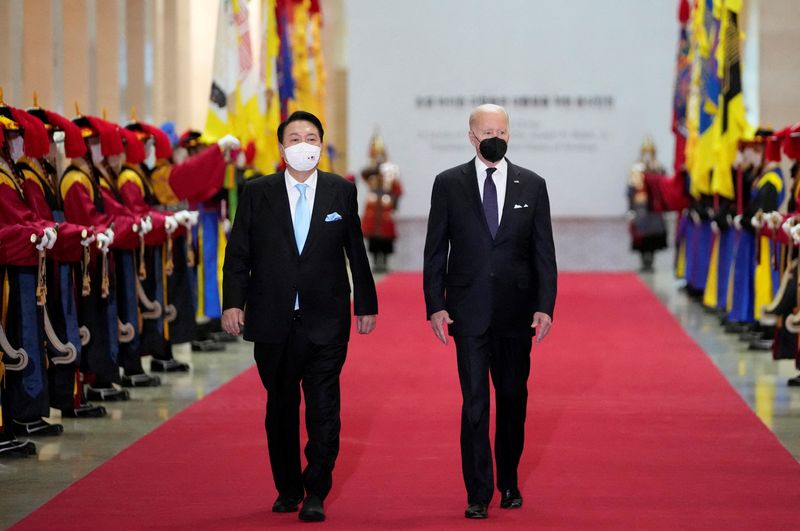
Baton Rouge Attractions For Your Delight

Baton Rouge Attractions For Your Delight

One will certainly have the ability to discover a lot of Baton Rouge destinations that will certainly be rewarding to invest some time and also see to value. If you come with each other with your pals as well as family members, the experience would certainly be extra purposeful as well as satisfying. At Baton Rouge, you remain in for an attractive trip– whether you are the kind that has an energetic night life in gambling establishments as well as bars, or you are one that locates joy being bordered naturally– or whatever your choice might be.

Casino sites can be located in Baton Rouge for your having fun enjoyment as Argosy Casino as well as Casino Rouge. Bars are plentiful for those that like conference with buddies as well as taking pleasure in the beverages, songs and also dance. There is Dante’s Bistro (www.dantesbistroonline.com) at 302 Third Avenue, Baton Rouge, 70801, The Caterie (www.thecaterie.com) at 3617 Perkins Rd., Baton Rouge 70808 as well as Tequila’s Café (www.cafereggae.com) at 124 W. Chimes St., Baton Rouge 70802.

The common method to go is BREC’s Baton Rouge Zoo (www.brzoo.org). At the end of the excursion, one might inspect the zoo’s present store for memento things.

Various other Baton Rouge tourist attractions consist of The USS KIDD (www.usskidd.com). A minimal number of 20 people can certify your team to use for a booking for an over night keep. Charge per head is still 18 bucks, yet your team obtains to have the whole ship that evening with no various other teams around.

An additional destination is the West Baton Rouge Museum (www.lapage.com/wbrm). One will certainly be able to see the 22-foot sugar mill design, which shows the conversion procedure of sugar walking stick to raw sugar.

There is the Oak Alley Plantation (www.oakalleyplantation.com). This is additionally called the “Grande Dame of the Great River Road”. Oak Alley Plantation lies in between New Orleans as well as Baton Rouge.

For info on even more Baton Rouge destinations, you might wish to examine www.hellobatonrouge.com/attractions.cfm. You will certainly see a great deal of a lot more locations you can take pleasure in visiting as well as sightseeing and tour. Whether it be resorts, eating, bars, outdoors, galleries, historic destinations– Baton Rouge will certainly have the ability to provide you views that would certainly be a pleasure to your eyes.

One will certainly be able to locate lots of Baton Rouge destinations that will certainly be beneficial to invest some time as well as see to value. At Baton Rouge, you are in for a lovely trip– whether you are the kind that has an energetic night life in gambling enterprises and also bars, or you are one that discovers joy being bordered by nature– or whatever your choice might be.

Online casinos can be discovered in Baton Rouge for your having fun satisfaction as Argosy Casino as well as Casino Rouge. There is Dante’s Bistro (www.dantesbistroonline.com) at 302 Third Avenue, Baton Rouge, 70801, The Caterie (www.thecaterie.com) at 3617 Perkins Rd., Baton Rouge 70808 and also Tequila’s Café (www.cafereggae.com) at 124 W. Chimes St., Baton Rouge 70802.

Whether it be resorts, eating, bars, outdoors, galleries, historic destinations– Baton Rouge will certainly be able to provide you views that would certainly be a joy to your eyes.

« Previous Page — Next Page »